
Define the element recipe, material stack, automation boundary, usable output, FAT evidence and after-sales scope before suppliers quote.
A useful RO membrane rolling machine RFQ must describe the element to be built, not only the machine to be purchased. Include element formats and drawings, membrane-leaf count, material dimensions, central tube, adhesive system, required operator tasks, realistic shift output, utilities, destination-market safety requirements, FAT samples and evidence, installation scope, training, spare parts and clear commercial exclusions.
Five Inputs to Prepare Before Asking for a Machine Price
A supplier cannot configure rolling tooling, tension control, adhesive delivery and handling from an element name such as 1812 or 8040 alone. Prepare a small technical package first.
Specify the Element Range and the Actual Production Recipe
The phrase “suitable for all RO membranes” is not a usable requirement. Tooling and controls should be matched to defined element geometry and material combinations.
For a household line, state whether the project includes 1812, 2012, 3012, 3013 or another compact format. For an industrial line, state the required combination of 2540, 4021, 4040 and 8040. Include the minimum and maximum finished diameters, body lengths and central-tube dimensions rather than relying on model names alone.
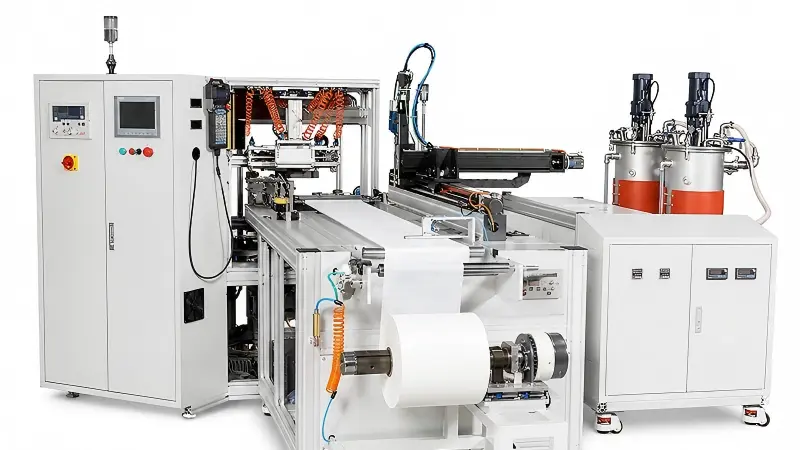
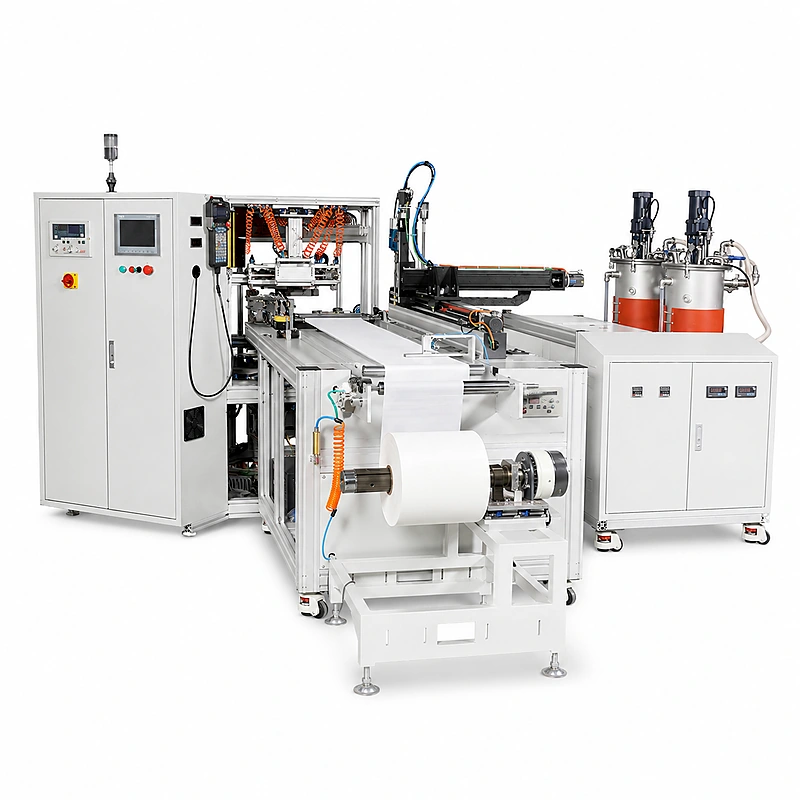
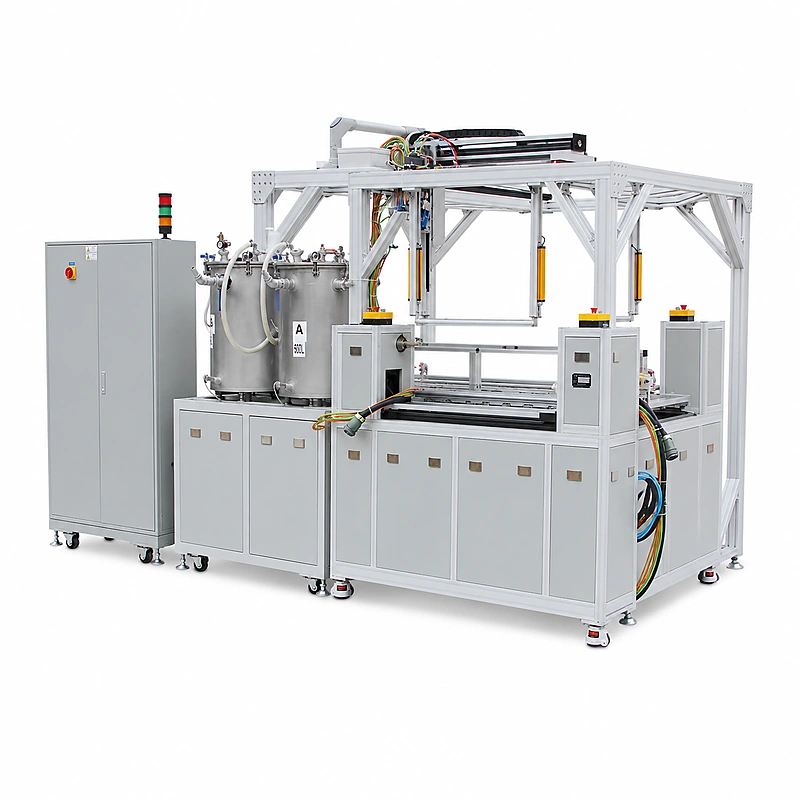
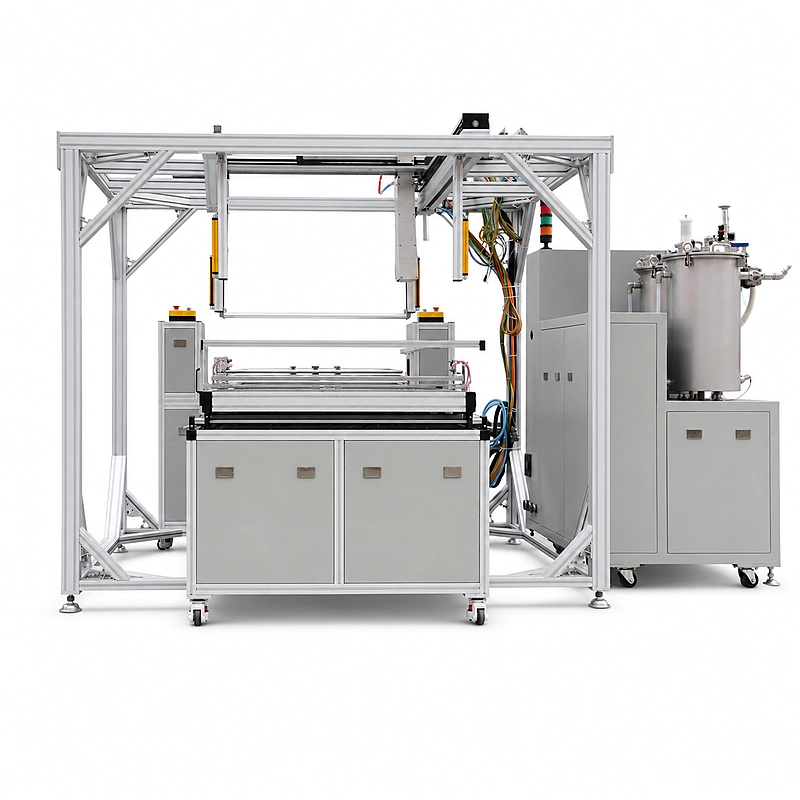
The current WECOME household RO membrane rolling machine and industrial semi-automatic rolling machine cover different product, handling and staffing ranges. The RFQ should identify which family is required and whether one machine must support changeover between several recipes.
- Element model and controlled drawing revision
- Finished diameter, length and tolerance
- Central-tube outside diameter, length and hole pattern
- Membrane leaf count and layer sequence
- Membrane, feed spacer and carrier cut dimensions
- Outer tape or FRP finishing method
- Maximum recipe changeover time
- Sample quantity required for each format
| RFQ wording | Why it is weak | Better requirement |
|---|---|---|
| Machine for 8040 membranes | It does not define the leaf recipe, materials, dimensions or finished-element tolerance. | Attach the released 8040 drawing and bill of materials, including leaf count, cut sizes, tube, glue and finished geometry. |
| Machine for many sizes | Changeover scope and tooling are unknown. | List every format, annual mix, batch size and maximum acceptable changeover time. |
| Standard materials | Spacer thickness, carrier behavior, adhesive viscosity and tube geometry may differ. | Provide data sheets and representative production samples for supplier trials. |
Describe the Material Stack and Adhesive System
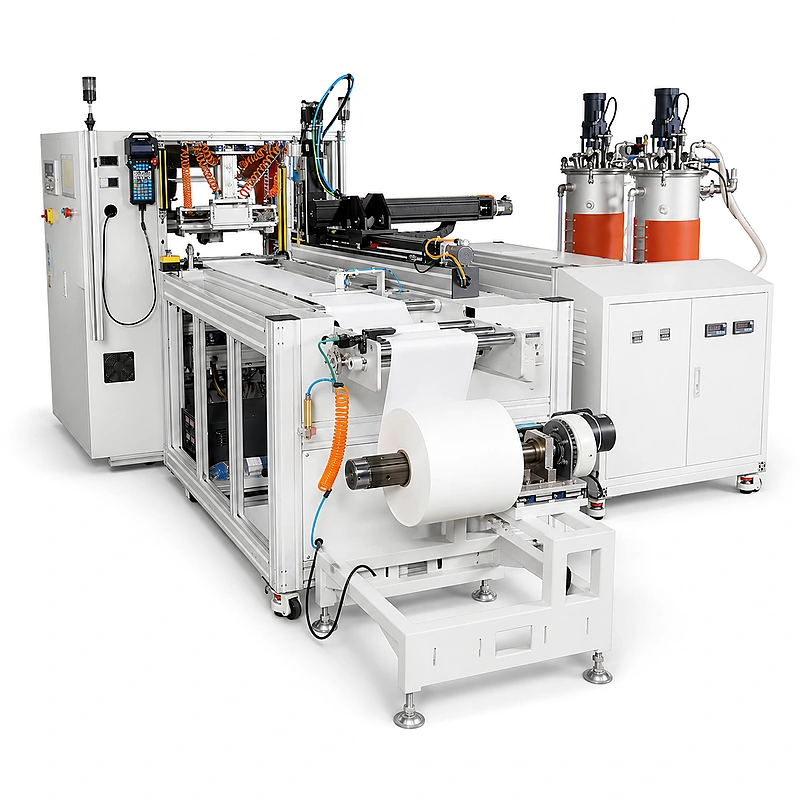
Adhesive behavior affects pump selection, hose and nozzle design, mixing, bead geometry, cleaning and available working time.
Tell the supplier whether the process uses one-component or two-component adhesive. For two-component systems, provide component viscosity, mix ratio, density if consumption is measured by mass, pot life, working temperature, cure conditions and approved cleaning method. State the required glue pattern and whether dispensing volume or bead dimensions must be recorded.
Use the RO membrane adhesive data sheet to organize material inputs, then estimate demand with the glue consumption calculator. Final settings still require trials with the approved adhesive and material stack.
Ask the supplier to confirm the complete glue boundary
The quotation should state what is included from storage or day tanks to the final nozzle. Confirm pumps, mixing method, heating if required, pressure control, hoses, filters, purge or cleaning process, consumables, spare seals and the method used to prevent cured adhesive from stopping production.
- Adhesive manufacturer and exact grade
- One- or two-component process
- Mix ratio and ratio tolerance
- Viscosity range at operating temperature
- Pot life and cure profile
- Required bead path and application quantity
- Refill, purge and cleaning procedure
- Material compatibility and waste handling
Define What the Machine Does and What the Operator Still Does
“Automatic” is not a complete scope. Two quotations can use the same word while requiring very different labor, upstream preparation and downstream handling.
List each operation from prepared leaves arriving at the station through removal of the rolled element. Mark it automatic, assisted or manual. Include recipe selection, central-tube loading, leaf placement, spacer attachment, glue preparation, glue application, alignment correction, winding, outer tape, unloading, sample inspection, cleaning and changeover.
Machine-controlled
Examples may include servo rotation, controlled tension, robotic glue path, recipe parameters, alarms and cycle records.
Operator plus tooling
Examples may include guided loading, positioning confirmation, foot-switch start and supported element removal.
Operator-owned
Examples may include leaf preparation, material replenishment, nozzle cleaning, inspection, rework and format changeover.
Separate Machine Cycle Time From Usable Shift Output
A mathematical cycle rate is useful for comparison, but it is not the same as released production output.
Request the reference recipe, operator count and timing boundary behind every capacity number. Does the timer begin with prepared leaves at the station? Does it include material loading, glue refill, cleaning, quality checks, changeover, faults, breaks and upstream leaf preparation? A quotation should answer these questions before capacity becomes a contractual criterion.
Build the RFQ around usable output
Use the RO membrane production capacity calculator to test cycle time, shifts and utilization. Then check whether cutting, leaf assembly, curing, trimming and testing can support the same daily output.
| Capacity input | What the buyer should provide | What the supplier should return |
|---|---|---|
| Product mix | Percentage by format, recipe and batch size. | Cycle range and changeover method for every stated format. |
| Staffing | Available operators per shift and skill assumptions. | Operator tasks, timing and supervision required. |
| Utilization | Shift length, breaks, maintenance and cleaning policy. | Rated cycle separately from estimated sustained output. |
| Quality yield | Required dimensional and process acceptance criteria. | Good-piece output demonstrated during FAT, not cycles alone. |
| Line balance | Upstream and downstream equipment capacity. | Identified constraints and recommended buffer quantities. |
Make Utilities, Layout and Safety Part of the Quotation
The machine must fit the destination site physically, electrically and operationally. These requirements should be resolved before shipping.
Ask for a general arrangement drawing, electrical single-line information, pneumatic diagram, utility schedule and shipping split. Also state the destination country and the compliance documents expected by the buyer. Machinery risk assessment and risk reduction are addressed by ISO 12100; safety-related control-system design is addressed by ISO 13849-1; electrical equipment of machines is covered by IEC 60204-1. These references do not prove compliance by themselves.
- Applicable destination laws and standards
- Risk-assessment and safety-function documentation
- Guards, interlocks and safe access points
- Emergency-stop locations and reset behavior
- Alarm list and fault-recovery method
- Electrical drawings and component schedule
- PLC/HMI backup and access policy
- Language for interface, labels and manuals
Agree the FAT Protocol Before the Purchase Order
Factory acceptance testing should prove the agreed process with representative buyer materials and measurable acceptance criteria.
Define the formats, recipes, sample quantity, trial duration and evidence before manufacturing is complete. A demonstration using easier substitute material may confirm basic motion, but it does not validate your membrane stack, adhesive or finished-element geometry.
The FAT should also confirm safe operation, alarms, interlocks, emergency stops, recipe management, changeover, data backup and recovery after an interrupted cycle. Use the RO membrane element quality-control checklist to connect machine evidence with downstream product release.
Approve inputs
Drawings, material lots, recipes and acceptance instruments.
Check setup
Utilities, tooling, software version and calibrated devices.
Run production
Normal cycle, changeover, restart and defined sample quantity.
Measure output
Dimensions, alignment, glue path, cycle, defects and usable yield.
Close evidence
Signed report, videos, samples, open items and retest responsibility.
| FAT item | Example evidence | Acceptance wording to define |
|---|---|---|
| Recipe and format | Released drawing, HMI recipe ID and tooling list. | All contracted formats run with the approved revision and documented changeover. |
| Rolling geometry | Finished diameter, length, alignment and visual record across consecutive pieces. | Tolerance, sample size, instrument and decision rule agreed in advance. |
| Adhesive application | Mix setting, bead path, quantity or dimensions, start/stop quality and cleaning trial. | No break, unacceptable buildup or deviation outside the released process window. |
| Output | Timestamped cycle log, operator task record, stops, scrap and good pieces. | Minimum usable output for the defined recipe and timing boundary. |
| Safety and faults | Guard/interlock tests, emergency stops, alarms, reset and interrupted-cycle recovery. | Expected safe state and restart behavior for each test. |
| Documents | Manuals, drawings, parts list, software backup, certificates and training record. | Document index, language, format and delivery date. |
Compare Commercial Scope, Not Only the Machine Price
A low equipment price can become expensive when tooling, shipping split, commissioning, training, software access or critical spares are missing.
Machine modules, tooling by format, glue system, guarding, utility interfaces, manuals, FAT, packing and standard accessories.
Installation supervision, commissioning days, travel, accommodation, translation, training, trial materials and acceptance at site.
Warranty trigger, response time, remote support, spare-part lead time, recommended stock, software backup and future recipe support.
Request a priced list of exclusions and options. Typical boundaries include compressor, chiller, extraction, buyer-side cables and piping, glue, trial materials, lifting equipment, import duty, civil work and local electrical modifications. For projects that combine cutting, rolling, curing, trimming and testing, compare the complete turnkey RO membrane production line scope rather than optimizing one station in isolation.
Six Red Flags in a Rolling Machine Quotation
Frequently Asked Questions
Should I ask for a household or industrial RO membrane rolling machine in one RFQ?
Only if the project genuinely requires both. Household and industrial elements differ in dimensions, leaf handling, cycle, glue delivery, footprint and staffing. Separate technical schedules usually produce clearer proposals even when one supplier quotes both.
How many element samples should be included in FAT?
There is no universal number. Choose enough consecutive pieces to demonstrate setup stability, normal production, measurements and usable yield for each critical format. Include changeover and restart samples when those functions are part of acceptance.
Can the supplier guarantee output from cycle time alone?
No. Sustainable output also depends on leaf preparation, loading, glue handling, changeover, inspection, operator skill, material behavior, faults, maintenance and good-piece yield. Define the timing boundary and demonstrate usable output during FAT.
What materials should be sent to the machine supplier?
Send representative membrane sheet, feed spacer, permeate carrier, central tubes, tapes and the approved adhesive system. Identify each material and lot. Keep enough material for engineering trials, FAT, retesting and retained comparison samples.
Is a machine marked as CE automatically acceptable for my project?
No. Confirm the destination-market requirements, supplied declaration and technical documents, actual machine configuration, risk assessment, safety functions and site-integration responsibilities. A label or sales statement is not a substitute for project evidence.
What is the best first step if my element recipe is still under development?
Freeze a reference recipe for quotation and identify variables separately. Use the rolling machine selection guide and discuss tooling or recipe flexibility with the supplier before treating price and output as final.
Technical References and Next Steps
- ISO 12100:2010, Safety of machinery: general principles for design, risk assessment and risk reduction.
- ISO 13849-1:2023, safety-related parts of control systems and general principles for design.
- IEC 60204-1:2016 with the valid amendment, electrical equipment of machines and general requirements.
- Project requirements must be reviewed against current destination-country laws, machine configuration and buyer site conditions.
Send WECOME Your Element Recipe, Output Target and Site Requirements
WECOME can review the production boundary, identify missing RFQ inputs and prepare a proposal covering the appropriate household or industrial rolling configuration, trial plan and support scope.
Discuss Your Rolling Machine RFQ
Bessie has 10+ years of experience in RO membrane materials and water treatment supply chains. At WECOME, she helps manufacturers and system integrators worldwide source the right membrane components — from feed spacers and permeate carriers to NSF-certified adhesives — backed by hands-on technical support.