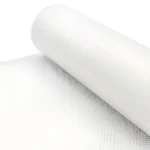


Ten data points that help RO element manufacturers compare membrane-sheet offers on performance evidence, conversion risk and batch consistency.
A useful RO membrane sheet supplier evaluation compares more than the quoted price and headline rejection. Buyers should verify the intended application grade, complete performance-test conditions, typical and minimum values, physical roll dimensions, surface and edge quality, usable yield, lot traceability, sample-to-bulk consistency, packaging and storage controls, and the supplier’s response process when a batch does not conform.
Why Price per Square Meter Is an Incomplete Comparison
Two flat-sheet quotations can show a similar width, rejection and price while creating very different production outcomes.
The quoted area is not automatically the usable area. Edge damage, telescoped winding, roll splices, surface contamination or inconsistent width can reduce the number of acceptable membrane leaves obtained from a roll. A lower purchase price can therefore produce a higher material cost per released element.
Headline performance values also need context. Reverse-osmosis flux and salt rejection change with pressure, temperature, feed concentration, recovery and other test conditions. ASTM D4516 exists because performance data obtained under different conditions cannot be compared directly without standardization. A supplier who reports only a rejection percentage, without the test solution and operating conditions, has not provided enough information for a technical comparison.
Compare the Cost of Controlled Output
The meaningful commercial denominator is not only material purchased. It is conforming membrane leaves, stable rolling and released elements.
10 Data Points to Request from an RO Membrane Sheet Supplier
The checks below are purchasing questions, not universal acceptance limits. Your engineering team should set the numerical limits for its own element design and application.
Application and membrane grade
Confirm whether the sheet is intended for household tap water, low-pressure commercial service, brackish water, high-rejection duty, fouling-resistant service or another defined use. A generic label such as “RO sheet” is not a complete grade definition.
Evidence: grade code and intended dutyComplete test conditions
Request pressure, temperature, feed concentration and composition, pH, recovery or crossflow arrangement, stabilization time and the calculation method used for permeate flow and rejection.
Evidence: controlled test protocolTypical, minimum and tolerance data
Separate a typical value from a guaranteed minimum or acceptance range. Ask how many samples support the stated value and whether the data describe flat-sheet coupons, sample elements or production elements.
Evidence: specification plus acceptance limitPhysical roll dimensions
Verify roll width, thickness, core dimensions, outer diameter, net length or area, winding direction and dimensional tolerances. These values must match the slitting, cutting and folding route used in your factory.
Evidence: drawing and measured dimensionsSurface, edge and winding quality
Define the visual defects that are unacceptable: creases, scratches, contamination, pinholes, edge damage, uneven winding, telescoping or other conditions that interfere with leaf preparation.
Evidence: defect standard and inspection recordUsable roll yield and splice control
Ask whether a roll may contain splices, how they are marked, what edge allowance is expected and how non-usable sections are identified. Record actual usable yield during trials rather than assuming the full invoiced area converts into leaves.
Evidence: roll map and yield recordLot traceability and change control
The label, certificate and delivery documents should connect each roll to a production lot. Define how formulation, backing, coating, process or factory changes will be communicated before they reach your production line.
Evidence: lot code, CoA and change noticeSample-to-bulk consistency
A hand-selected sample is not enough. Qualify material from representative production lots, then compare the first bulk shipment with the approved sample using the same incoming and conversion checks.
Evidence: multi-lot qualification dataPackaging, storage and shelf-life controls
Confirm roll protection, moisture barrier, end support, labeling, transport orientation, permitted storage temperature, sunlight or oxidant restrictions, and any defined shelf-life or retest requirements.
Evidence: packaging and storage instructionTechnical response and corrective action
Agree on the data needed for a complaint, response time, sample-retention practice and the method for containment, root-cause analysis and corrective action. Technical support matters most when production evidence is not as expected.
Evidence: complaint and CAPA workflowFor the wider material stack, use WECOME’s RO membrane raw material selection guide to review how sheet, spacer, carrier, tube and adhesive decisions interact.
Normalize Performance Data Before Ranking Suppliers
A rejection or flow number is meaningful only when the test boundary is visible. DuPont product data sheets, for example, state the feed concentration, pressure, temperature, pH and recovery associated with the published performance. They also distinguish stabilized and minimum rejection where applicable.
Use the same discipline when comparing flat-sheet suppliers. If Supplier A reports at a higher pressure or different feed concentration than Supplier B, the larger flow number does not prove that the sheet has higher water permeability. Normalize the conditions, or test both materials using one internal method.
- Use the same feed solution and analytical method.
- Record pressure, temperature, pH, concentration and recovery.
- Separate coupon, sample-element and production-element data.
- Define stabilization time before reading performance.
- Keep raw readings as well as the reported summary.

| Reported item | Ask the supplier to state | Why it matters |
|---|---|---|
| Salt rejection | Typical or minimum value, feed salt and concentration, pH, pressure, temperature, recovery and stabilization period | Prevents ranking unlike tests as though they were equivalent. |
| Permeate flow or permeability | Test area or element construction, net driving pressure, temperature and units | Separates membrane behavior from test geometry and operating conditions. |
| Chemical tolerance | Continuous operating range, cleaning limits, temperature dependency and exposure conditions | A maximum value without duration or temperature may be misleading. |
| Physical dimensions | Nominal value, tolerance, measurement method and sampling frequency | Connects the data sheet to actual cutting and rolling capability. |
The RO membrane sheet data reference can be used to organize the material fields before issuing an RFQ.
Test the Sheet as a Production Material, Not Only as a Coupon
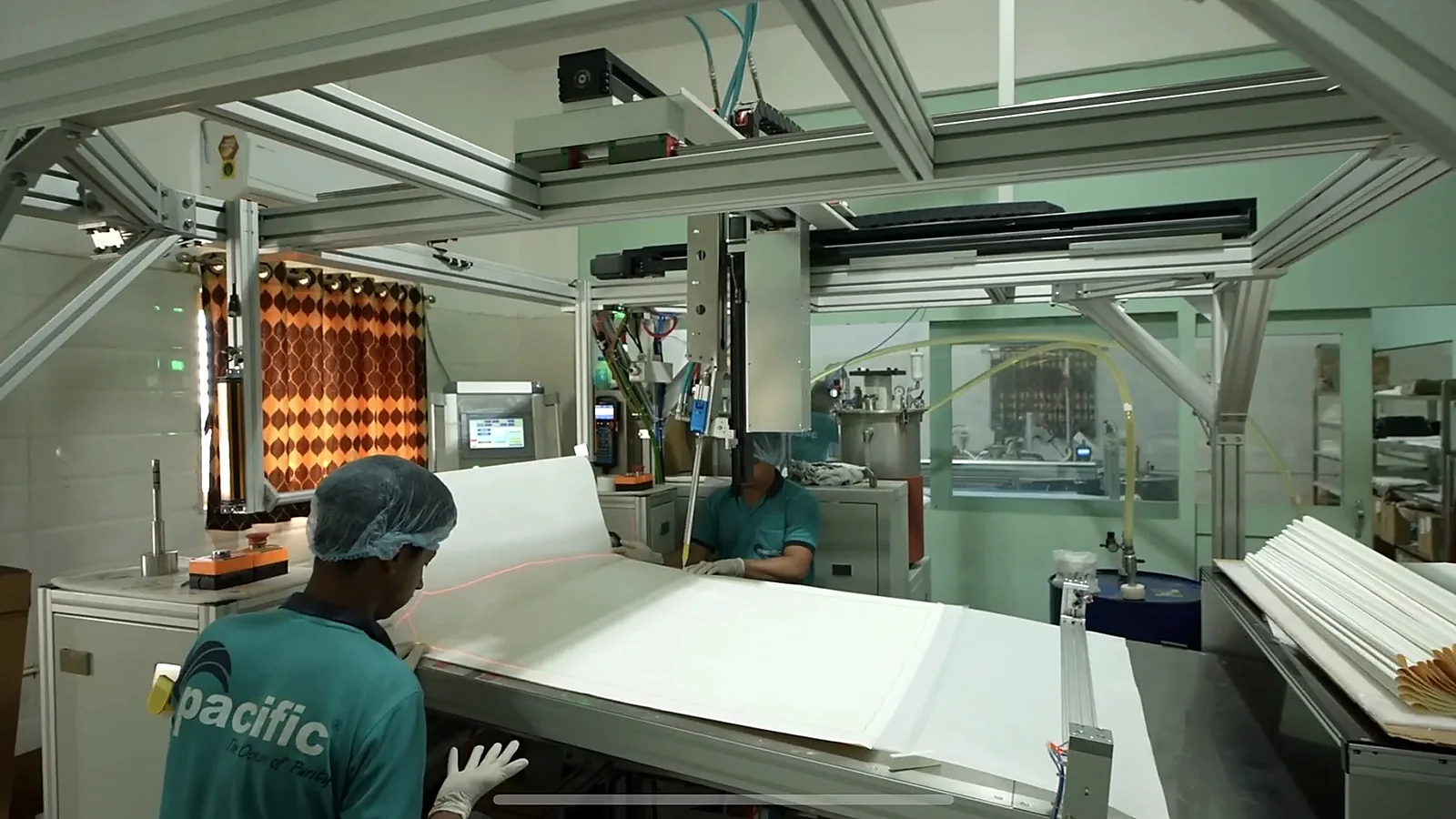
A laboratory coupon can screen separation performance, but it does not reveal every conversion risk. The production team still needs to know whether the supplied roll unwinds cleanly, maintains alignment, cuts without uncontrolled edge damage, folds consistently and works with the approved leaf dimensions.
The trial should use the intended feed spacer, permeate carrier, central tube, adhesive and rolling recipe. This does not mean every variable must be optimized during supplier screening. It means the evaluation should keep the other variables controlled so that a sheet-related difference can be interpreted.
- Record roll identity before any material is cut.
- Measure usable width and inspect both edges.
- Track wrinkles, surface marks and cutting waste.
- Use a fixed leaf and rolling recipe for comparison.
- Retain samples from accepted and rejected areas.
Move from Supplier Document Review to Controlled Bulk Approval
A four-stage gate keeps commercial urgency from replacing technical evidence.
Document screen
Review grade definition, specification, test method, roll drawing, packaging, storage, traceability and change-control commitments.
Incoming sample check
Verify identity, dimensions, edges, surface, winding and any agreed incoming tests before converting the sample.
Controlled pilot run
Cut, fold, glue and roll representative material using a recorded recipe; measure yield and inspect the resulting elements.
First-bulk verification
Compare the first production shipment with the approved sample and hold release until defined checks are complete.
Use Element Testing to Confirm the Construction, Not to Hide Weak Incoming Data
Sample-element testing is valuable because a flat sheet is ultimately used inside a complete spiral-wound construction. Hydraulic testing can show how the chosen sheet performs with the selected leaf area, spacer, carrier, adhesive and rolling process under defined conditions.
However, final-element results combine several variables. A low flow result can relate to sheet permeability, active area, compaction, test temperature or construction. A rejection problem can involve the sheet, glue-line integrity or another assembly defect. Supplier evaluation therefore needs both incoming material evidence and controlled element-trial evidence.
Dry vacuum or leak screening addresses integrity; it does not replace salt-rejection and permeate-flow testing. Keep those results as separate answers to separate quality questions.
Use the RO membrane element quality control checklist when defining the downstream verification stage.
Packaging and Traceability Are Part of Material Performance
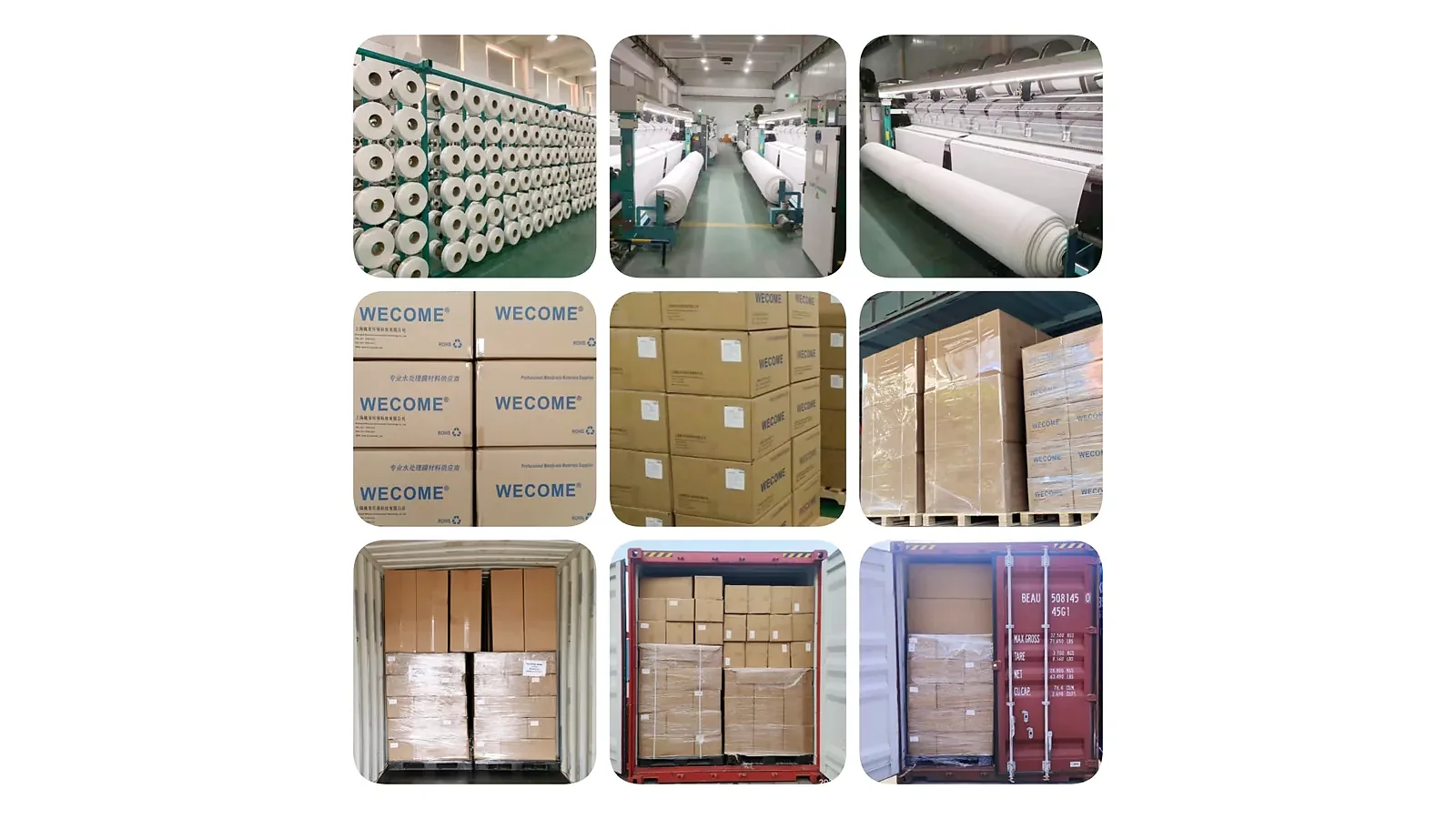
A conforming roll can arrive unusable if it is poorly supported, exposed to unsuitable storage conditions or delivered without readable lot identification. The purchase specification should define packaging and labeling before the first bulk order, not after damage occurs.
At receipt, photograph packaging condition, verify roll and certificate identifiers, and record any impact, moisture or deformation before opening. Preserve the supplier label when internal roll numbers are assigned so the production and complaint records remain connected to the original batch.
For a customized supply program, the Custom & OEM RO Membrane Material Supply service provides a commercial path for specification matching, samples and repeat orders.
Six Red Flags During Membrane-Sheet Sourcing
RO Membrane Sheet Supplier Evaluation FAQs
Is the highest salt rejection always the best membrane sheet?
No. The sheet must match the feedwater, pressure, energy target, element construction and required product-water quality. Rejection should be compared under equivalent test conditions together with permeability, durability and production consistency.
How many lots should be evaluated before bulk approval?
There is no universal number for every factory. Use a risk-based plan that includes representative production lots rather than repeated pieces from one roll. Higher-volume or tightly specified programs normally justify broader multi-lot evidence.
Can a certificate of analysis replace incoming inspection?
No. A CoA provides supplier data for the identified lot, while incoming inspection confirms identity, delivery condition and selected characteristics at your facility. The two records should support each other.
Should membrane sheet be approved only through element performance testing?
No. Element testing is important, but its results also reflect leaf area, adhesive integrity, rolling, components and test conditions. Combine it with incoming sheet checks and controlled conversion records.
What should be fixed before requesting a quotation?
Define the application, target element formats, roll dimensions, performance test conditions, required evidence, sample quantity, packaging, annual or batch demand, and the process used to approve the first bulk shipment.
Reference Basis
- ASTM D4516 – Standard Practice for Standardizing Reverse Osmosis Performance Data, explaining why pressure, temperature, conversion and feed concentration must be normalized when performance data are compared.
- DuPont FilmTec Factors Affecting RO Membrane Performance, describing the influence of pressure, temperature, recovery and feed concentration on flux and rejection.
- DuPont FilmTec Reverse Osmosis and Nanofiltration Technical Manual, covering membrane performance, operating boundaries and element construction principles.
- Example FilmTec product data sheet, illustrating how published flow and rejection values are tied to explicit standard test conditions and specification notes.
These sources explain comparison principles; they do not establish WECOME’s customer-specific acceptance limits. Final specifications should be agreed for the intended product, factory process and application.
Compare Membrane Sheet on Evidence, Not Price Alone
Share your target element size, application, roll requirements and trial method. WECOME can help organize the material specification and sample evaluation before a repeat-order program is established.
Review RO Membrane Sheet Options
Bessie has 10+ years of experience in RO membrane materials and water treatment supply chains. At WECOME, she helps manufacturers and system integrators worldwide source the right membrane components — from feed spacers and permeate carriers to NSF-certified adhesives — backed by hands-on technical support.