
Household RO Membrane Manufacturing & OEM Solution
Build 1812, 2012, 3012 and 3013 spiral-wound membrane programs around coordinated materials, production equipment, quality controls and a documented OEM workflow.
What is a household RO membrane manufacturing solution?
It is a coordinated production program for compact spiral-wound RO membrane elements, combining the element drawing, membrane sheet, flow-channel materials, central tube, adhesives, sealing parts, rolling and finishing equipment, and final quality-control method.
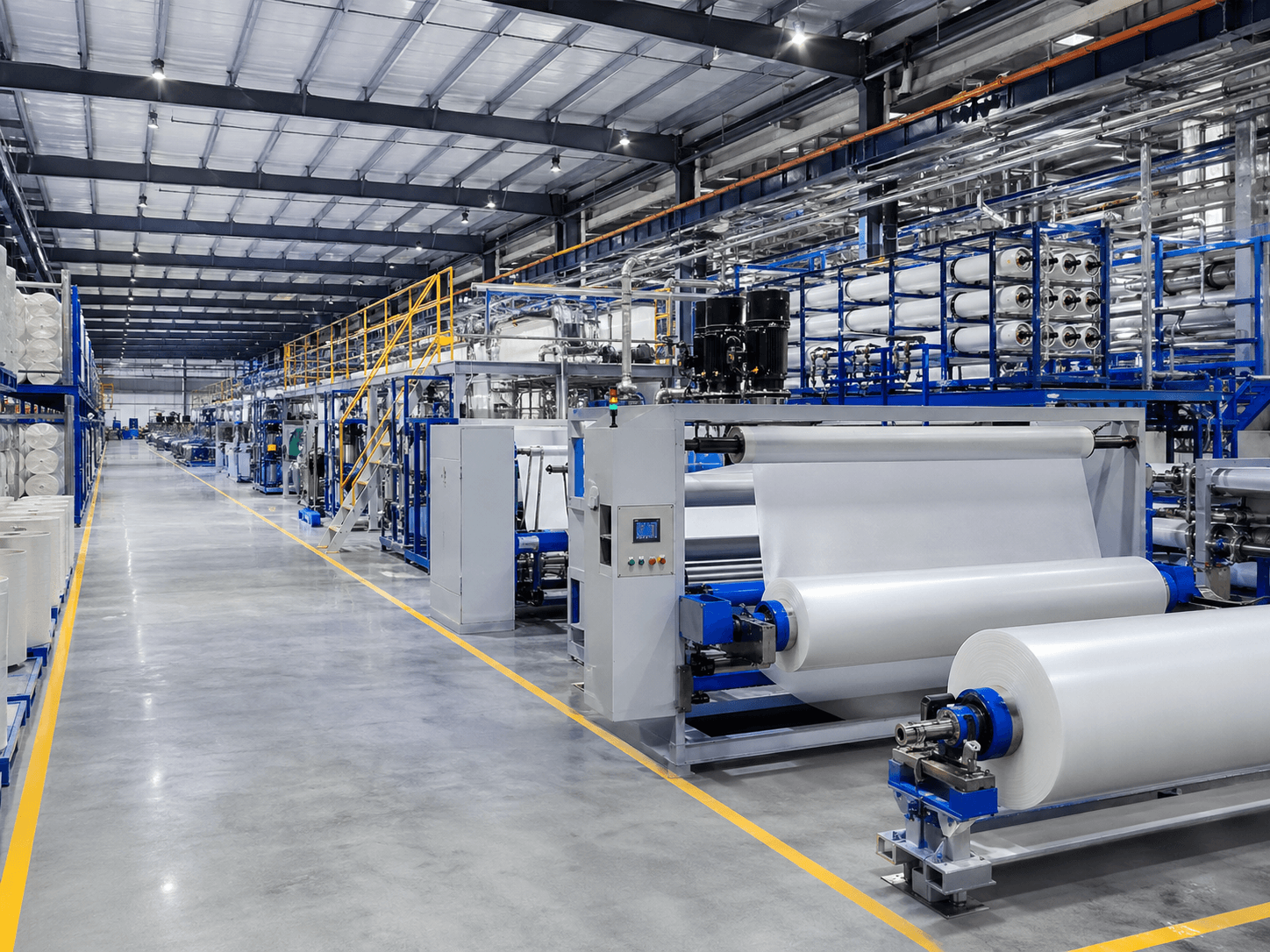
WECOME supports manufacturers and OEM partners building residential membrane elements. Equipment selection starts from the approved element construction and target output, not from a generic machine name.
RO membrane raw materials, components, residential production equipment, factory workflow review, installation coordination and operator training.
Finished membrane performance still depends on the approved design, membrane chemistry, process controls, curing and validated hydraulic testing.
One production family, four common element formats
Format names provide a starting point only. Tooling and process settings must be confirmed from the exact central tube, leaf dimensions, layer count, finished diameter and quality target.
Compact household programs
Often used for lower-output residential membrane families. Confirm GPD target, leaf structure and housing interface from the approved specification.
Higher-capacity compact formats
Requires drawing-based review of tube, membrane area, finished diameter and product changeover requirements.
Large residential programs
Material width, rolling load, adhesive path and handling method may differ from smaller household formats.
Tankless and OEM programs
Production planning should align format, output class, membrane structure, housings and the OEM acceptance specification.
Build the element as one coordinated structure
A reliable household membrane program depends on compatibility across every layer and component. Changing one item can alter diameter, flow path, bonding and the final testing method.
Browse RO Materials →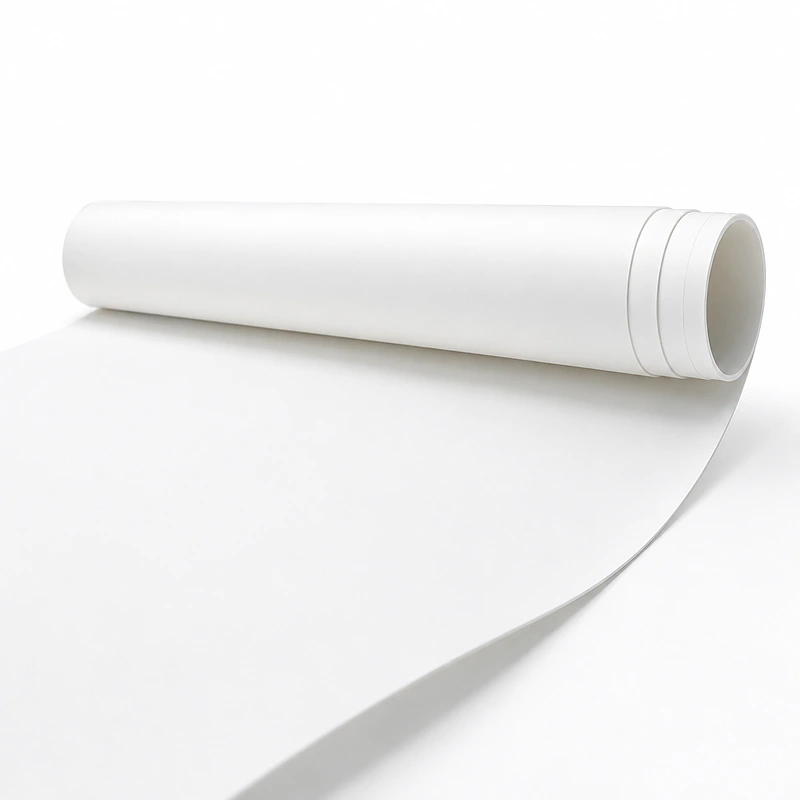
Membrane Sheet
Select chemistry and dimensions against flow, rejection, pressure and product format.
View membrane sheet →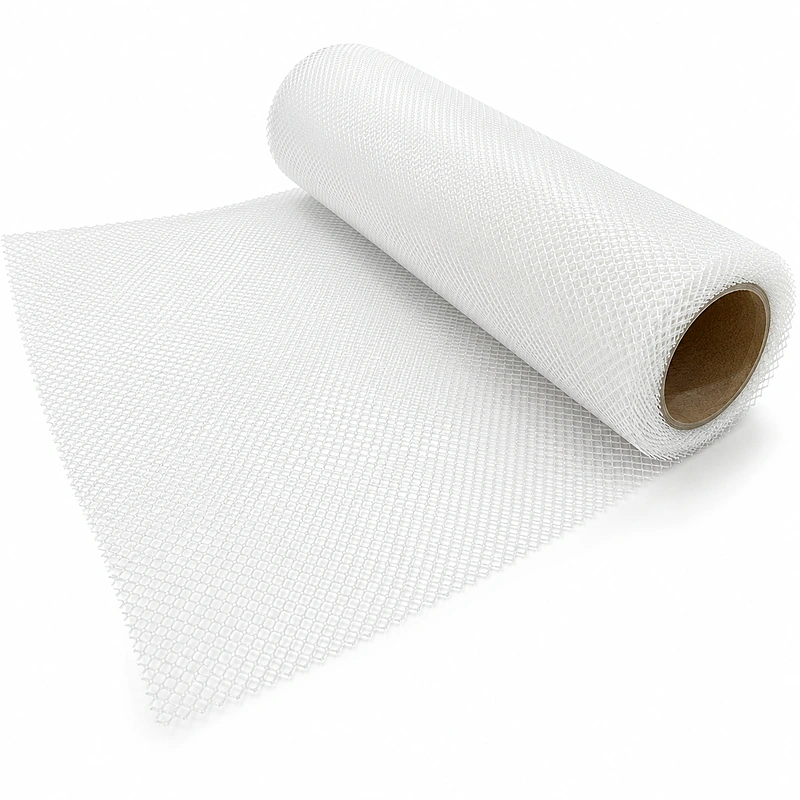
Feed Spacer
Coordinate channel thickness, mesh geometry, pressure drop and cleanability.
View feed spacer →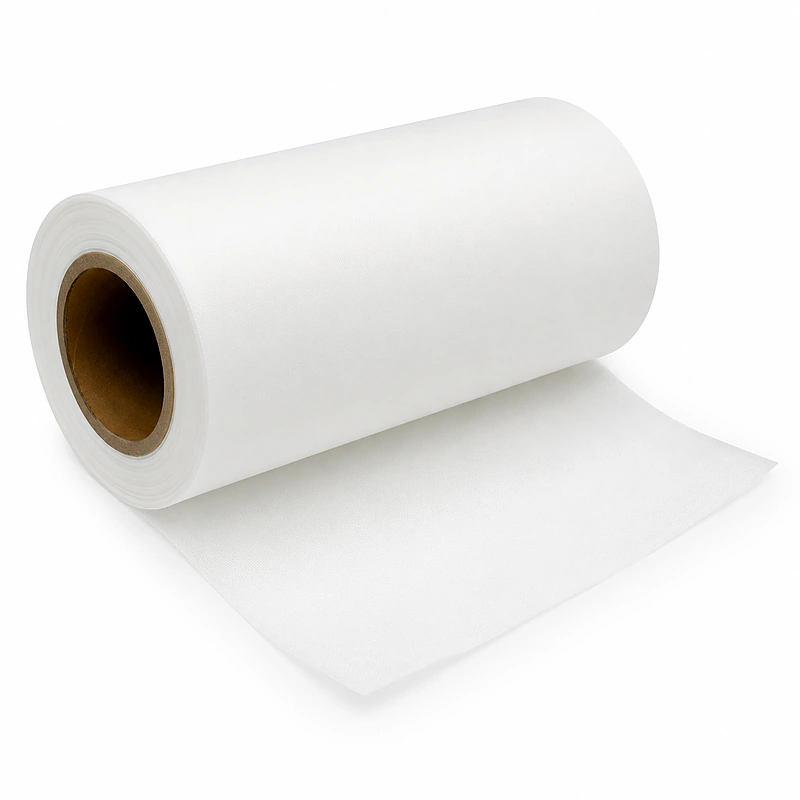
Permeate Carrier
Support permeate collection, leaf stability and compatible adhesive bonding.
View permeate carrier →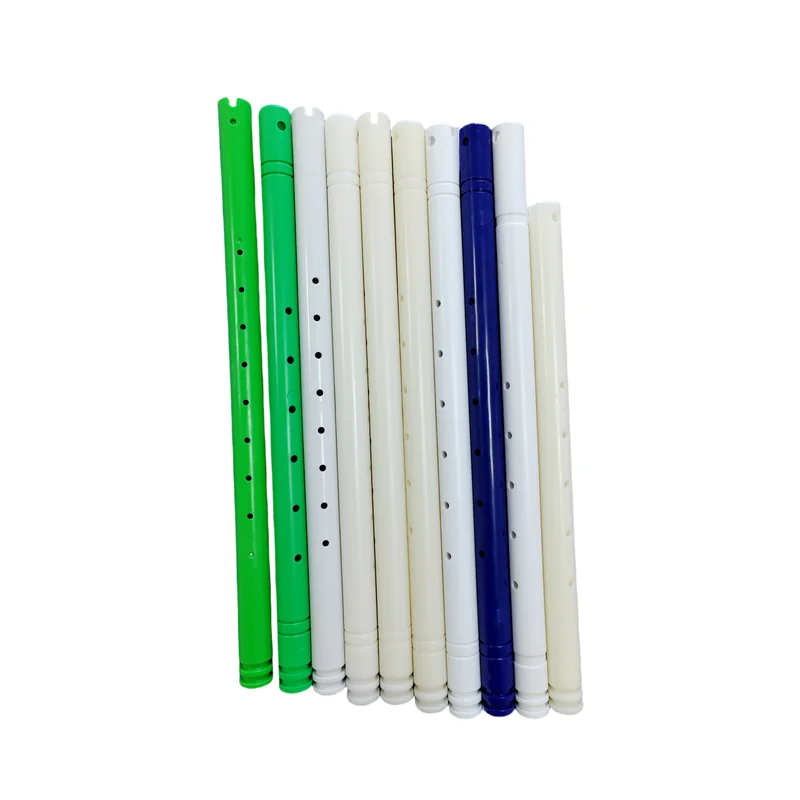
Central Tube
Confirm outer diameter, collection holes, interface, strength and alignment.
View central tube →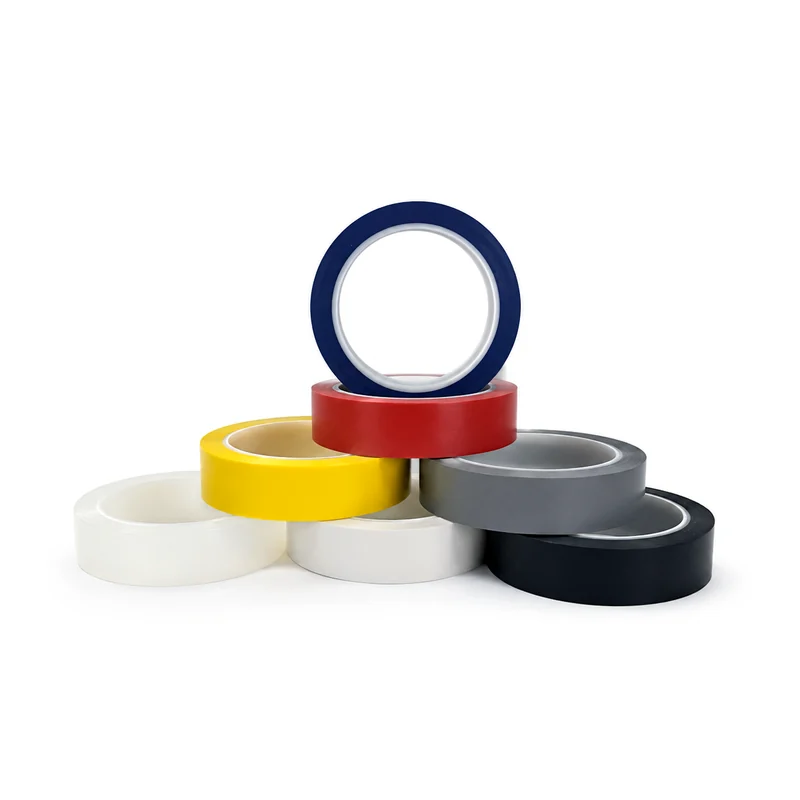
Central Tube Tape
Confirm tape width, placement, adhesion and compatibility with the assembly method.
View central tube tape →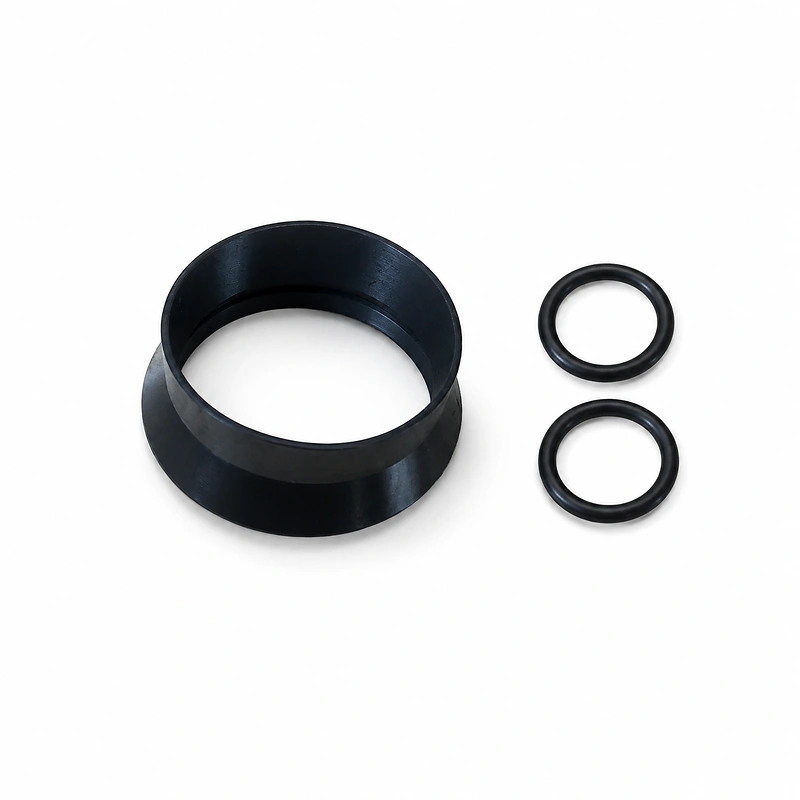
Seals & End Components
Match seal direction, end-cap interface and housing compatibility to the design.
View brine seals →Choose automation from the actual factory workflow
A household RO membrane rolling machine is only one station. The right configuration depends on how materials are prepared, how operators load and align leaves, how adhesive is dispensed, and how finished elements are trimmed, assembled and tested.
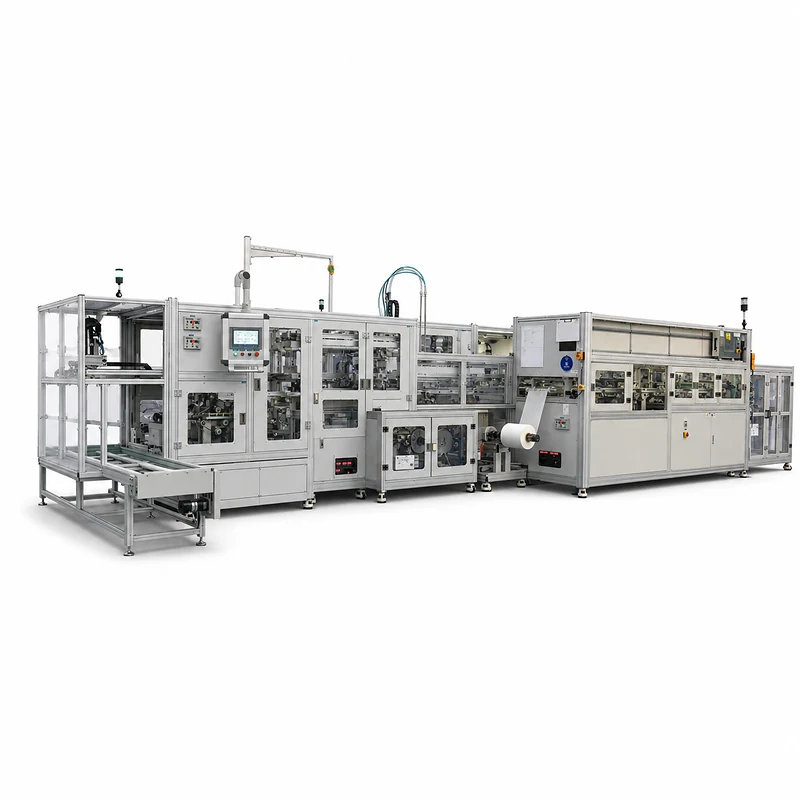 Automation is configured against the approved element drawing, product mix, required output and FAT criteria.
Production equipment connected to the household element process
Each machine below links to its technical product page. A complete project may use selected stations or a coordinated automatic line depending on current factory capability.
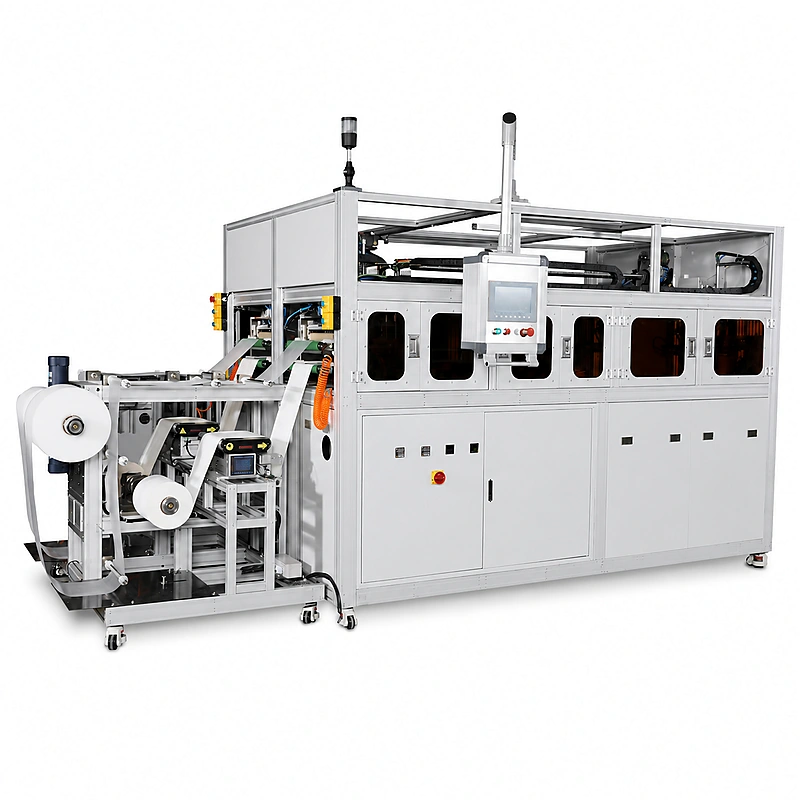
Sheet Cutting & Folding
Prepare repeatable membrane-leaf dimensions before rolling.
View equipment →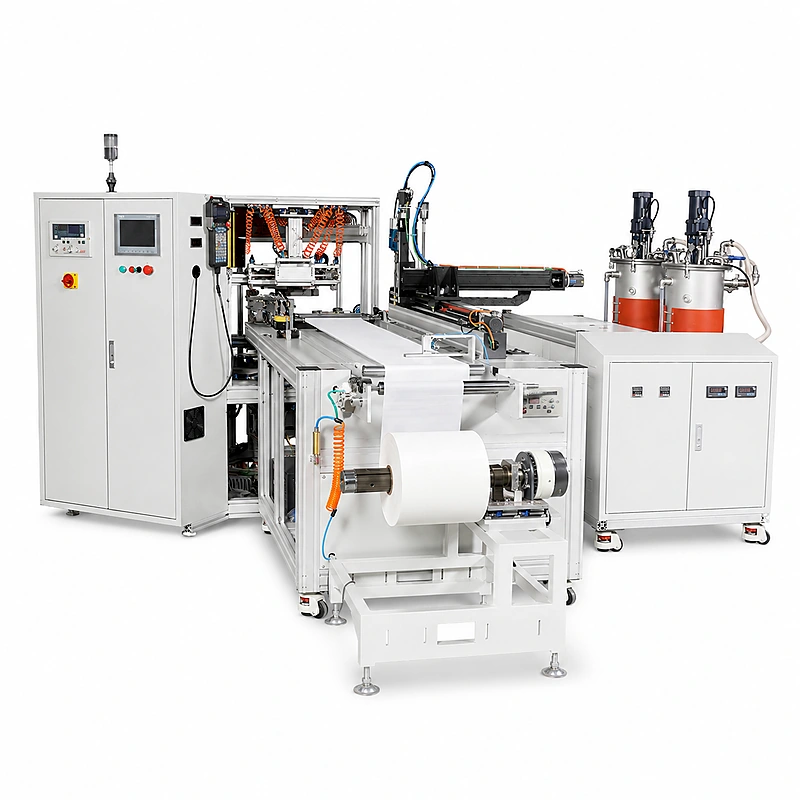
Household Membrane Rolling
Coordinate tube loading, membrane leaves, adhesive and winding.
View equipment →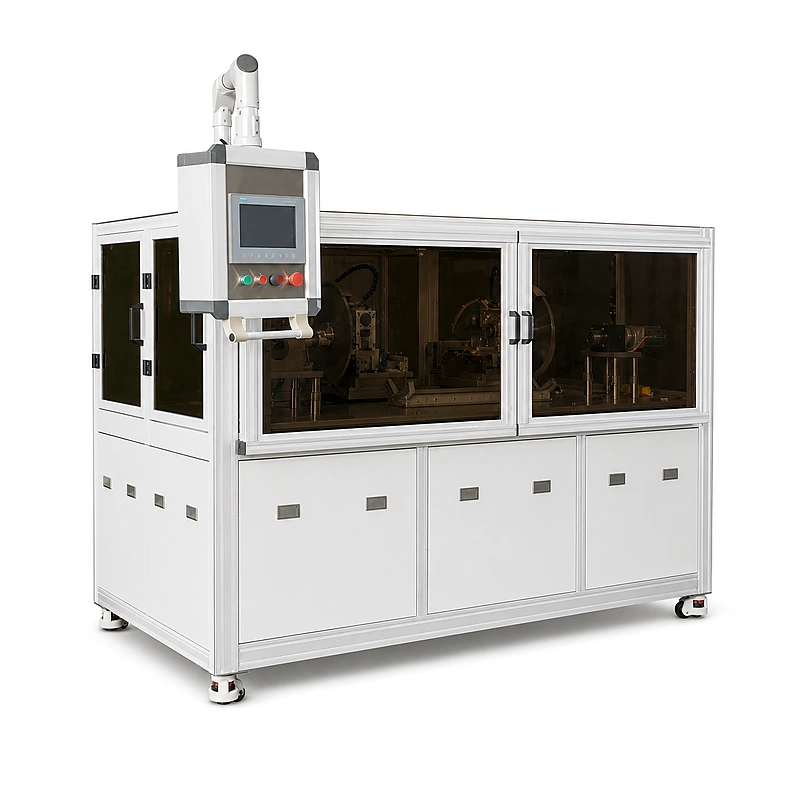
Element Trimming
Control finished length and end-face quality after curing.
View equipment →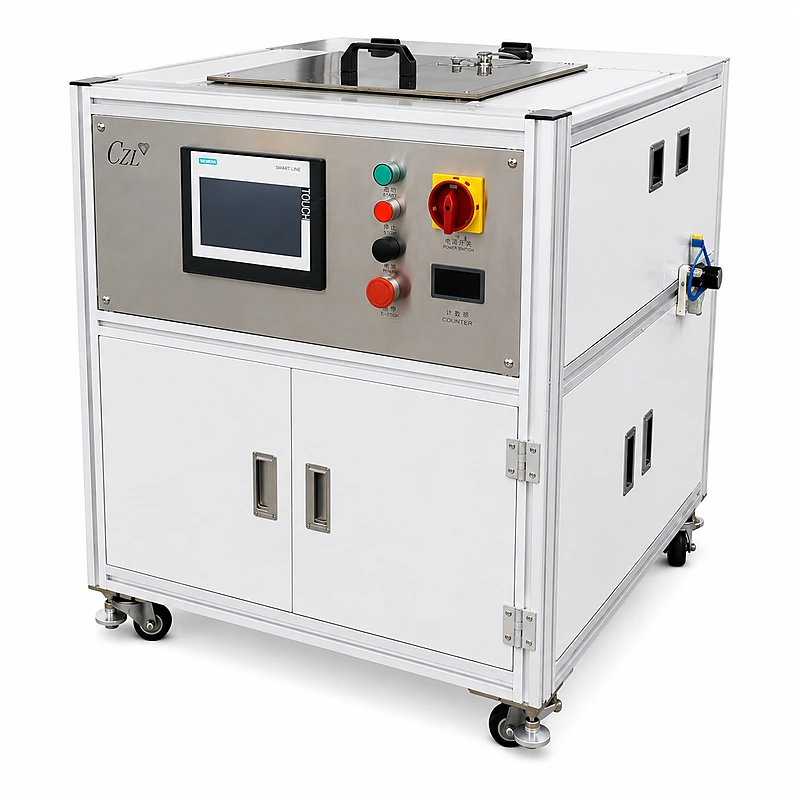
Central Tube Taping
Apply controlled tape positions for the approved assembly method.
View equipment →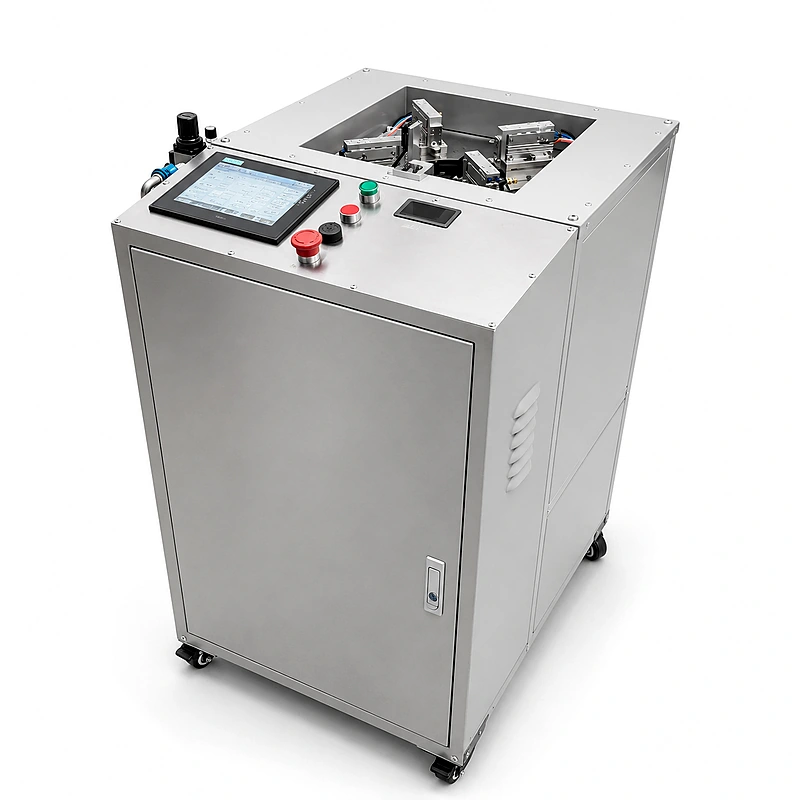
Brine Seal Assembly
Support repeatable seal positioning and installation.
View equipment →
Vacuum Integrity Testing
Screen element integrity before downstream hydraulic testing.
View equipment →Move from concept to a repeatable manufacturing specification
An OEM request becomes actionable when the target element, bill of materials, factory workflow and acceptance criteria are documented together.
WECOME can organize materials and equipment around that controlled specification, including repeat-order requirements and future format changes.
Confirm format, drawings, membrane area, layer count, target performance and housing interface.
Review sheet, spacer, carrier, tube, adhesives, tapes, seals and end components as one BOM.
Identify existing stations, operator tasks, desired automation, utilities and available floor space.
Agree on trial materials, dimensional checks, cycle references, testing methods and records.
Document approved revisions, packaging, traceability, spare parts, training and reorder controls.
Information required before equipment and materials are confirmed
This table is a practical RFQ checklist. It prevents a generic quotation from being mistaken for a validated production solution.
| Input | What to provide | Why it matters |
|---|---|---|
| Element specification | 1812/2012/3012/3013 drawing, tube, leaf, layer count, diameter and housing interface. | Defines compatible materials, tooling and machine configuration. |
| Performance target | Target flow class, rejection requirement, test water, pressure, temperature and recovery method. | Connects the element structure to an agreed validation method. |
| Production target | Pieces per shift, working hours, operators, product mix and changeover frequency. | Determines station capacity and the useful level of automation. |
| Factory conditions | Layout, electrical supply, compressed air, ventilation, handling and curing space. | Prevents installation and workflow conflicts. |
| Acceptance criteria | Sample plan, dimensions, appearance, integrity test, hydraulic test and required records. | Creates a shared basis for samples, FAT and volume production. |
Household RO membrane manufacturing questions
Clear answers help buyers compare complete manufacturing programs instead of isolated machine names or unverified finished-membrane claims.
What equipment is needed to manufacture household RO membrane elements?
A typical workflow may include membrane-sheet slitting, cutting and folding, central-tube preparation, membrane rolling, curing, element trimming, brine-seal assembly or tape winding, vacuum integrity screening and hydraulic performance testing. The required stations depend on the approved element design and existing factory operations.
Can one line produce 1812, 2012, 3012 and 3013 membrane elements?
A production system may support multiple formats when tooling, material widths, tube geometry, leaf dimensions, layer count, adhesive path and changeover procedures are designed for them. Compatibility must be confirmed from controlled drawings rather than format names alone.
What is the difference between OEM membrane support and finished membrane supply?
This solution is for manufacturers and OEM partners building a controlled production program. WECOME supplies materials, components and production equipment; individual finished-membrane models and performance claims require their own approved product specification and validation.
How should automatic and semi-automatic equipment be compared?
Compare which steps are automated: material loading, alignment, adhesive dispensing, rolling, unloading, trimming, assembly, inspection and data recording. Also compare format range, output, operators, changeover time, utilities and FAT criteria.
Does manufacturing equipment guarantee membrane flow and salt rejection?
No. Equipment supports control and repeatability, but finished performance also depends on membrane chemistry, material compatibility, element construction, adhesive cure, process settings and a validated hydraulic test method.
What should be sent for a technical proposal?
Send the target element drawings, bill of materials or current samples, performance and test conditions, required output, existing production steps, factory utilities, available layout, automation expectations and acceptance criteria.
Planning a household RO membrane manufacturing program?
Send the target format, element drawings, material structure, production volume and factory conditions. WECOME will organize the questions required for a practical OEM or equipment proposal.