
RO Membrane Materials for Municipal Wastewater Reuse
Reverse osmosis for municipal wastewater reuse is a polishing duty on already-treated effluent — where fouling tolerance and element cleanability matter as much as rejection. WECOME supplies the membrane materials, components and production equipment element manufacturers use to build reclamation RO elements built for that duty.
Reuse Is a Polishing Duty, Not Drinking-Water Treatment
Water reclamation reverse osmosis treats secondary or tertiary effluent — feed that has already been through biological and often UF pretreatment, but still carries organic and biofouling risk. That makes fouling tolerance and cleanability the deciding factors, and it is a different duty from municipal drinking-water treatment.
Treated effluent feed
RO polishes water that has already had biological and UF pretreatment — not raw source water.
Organic & biofouling risk
Residual organics and biology drive spacer choice and the need for cleanable construction.
Stable rejection
Municipal water recycling needs consistent permeate quality for its defined reuse end use.
Repeated cleaning
Reuse elements are cleaned often — materials and adhesives must tolerate the CIP regime.
Where RO Sits in a Water Reclamation Train
In wastewater recovery RO, the membrane stage is a polishing step after biological treatment and UF/MF pretreatment, feeding a defined reuse application. Specifying the element starts from the effluent quality and fouling risk, not from a catalogue number.
- Confirm the pretreatmentBiological plus UF/MF sets what reaches the RO — the element is specified for that, not raw sewage.
- Assess fouling riskResidual organics and biofouling potential drive spacer thickness and cleanable build.
- Set the reuse targetThe end use — irrigation, industrial or indirect potable — sets rejection and recovery.
- Specify the elementFouling-resistant sheet, spacer, carrier, tube, glue and wrap chosen for reuse duty.
- Plan production & QCConsistent rolling and testing keep every reclamation element on spec.
Treating raw source water for supply instead? See municipal drinking-water treatment — a different duty.
Different Reuse End Uses, Different Element Builds
Municipal reuse water goes to very different end uses. Each points to a slightly different element construction — but all share the need for fouling tolerance and cleanability.
Irrigation & Landscape
Reclaimed water for irrigation and landscape — robust, fouling-tolerant elements with dependable rejection.
Industrial Reuse Supply
Recycled municipal water supplied to industry — stable quality and cleanable build for continuous duty.
Indirect Potable / Recharge
Higher-grade water reclamation reverse osmosis for aquifer recharge or indirect potable, needing consistent high rejection.
Six Material Decisions That Act as One Element
Reverse osmosis for municipal wastewater reuse shows up in the element’s parts. Each material below is chosen for fouling tolerance and cleanability, and they only perform when matched to each other.
Membrane Sheet
A fouling-resistant flat sheet membrane that holds rejection on organic-loaded reuse feed and stands up to repeated cleaning.
Feed Spacer
Feed spacer thickness is the key fouling lever — a more open spacer resists biofouling on reuse effluent between cleans.
Permeate Carrier
The permeate carrier carries product water with low back-pressure through repeated CIP cycles.
Central Tube
The central tube takes the pressure and flow of 4040 / 8040 reuse elements without distortion.
Adhesive & Tape
The glue lines must tolerate frequent cleaning chemistry — leak integrity decides reuse-element life.
Seals & Parts
Brine seals, end caps and connectors keep feed flowing and joining cleanly through the cleaning regime.
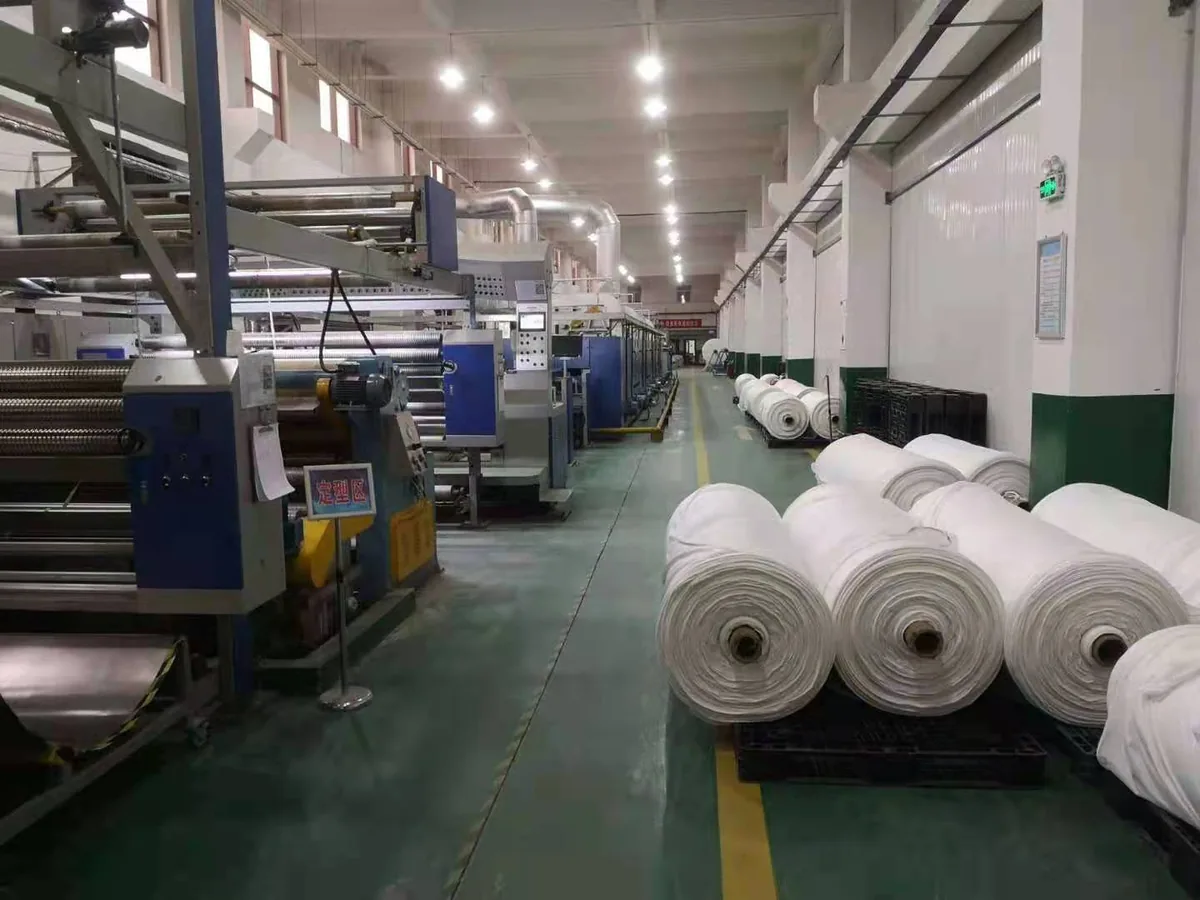
Cleanable Elements Need Consistent Production
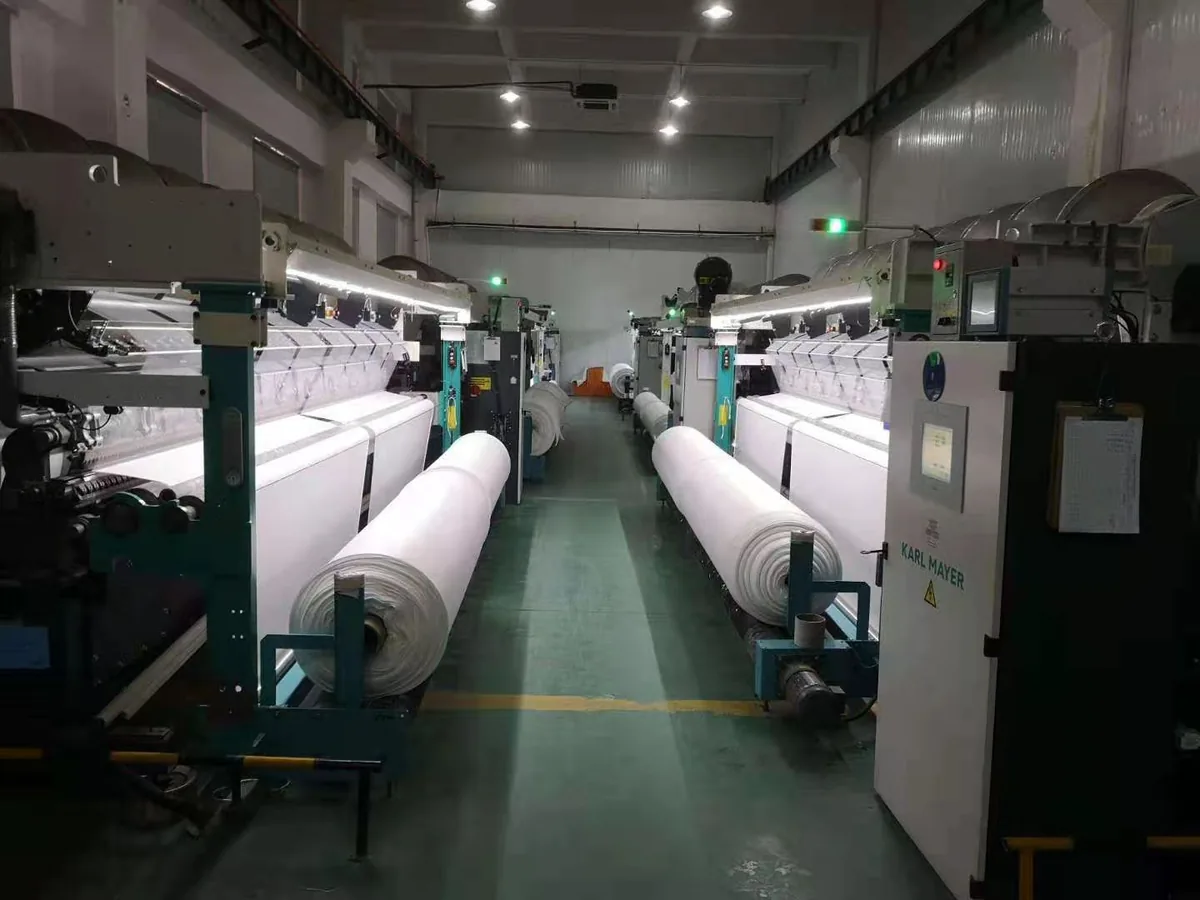
A reuse element is only as good as its weakest glue line under repeated cleaning. Consistent rolling and full testing are as important as fouling-resistant materials — and we supply the machines for it.
- Incoming material checks — verify fouling-resistant membrane, spacer and components before rolling.
- Controlled rolling — stable winding tension for repeatable roll quality.
- Leaf preparation — accurate cutting, folding and welding for clean leaves.
- Leak & performance testing — vacuum, flow and rejection checks on every element.
Match the Effluent, Then Build It the Same Every Time
The safest reuse programs start from the pretreated effluent quality and a documented element specification — then hold it across every production run.
- Start from pretreated effluent data — organics and fouling risk decide membrane and spacer.
- Design for cleanability — open spacer and cleaning-tolerant adhesive for repeated CIP.
- Document the element specification — membrane, spacer, carrier, tube, glue and size in writing.
- Serviceable, traceable construction — consistent parts that are easy to support.
Match Materials to Reuse Route and Fouling Risk
| Reuse route / duty | Typical feed | Membrane | Build notes |
|---|---|---|---|
| Irrigation / landscape | Tertiary effluent | Fouling-resistant sheet | Open feed spacer; cleanable build |
| Industrial reuse supply | UF-treated effluent | Fouling-resistant / standard | Stable rejection; robust parts |
| Indirect potable / recharge | High-grade reclaimed | High-rejection sheet | Tight QC; consistent rejection |
| High-biofouling feed | Organic-loaded effluent | Duty-matched sheet | Thicker feed spacer; frequent-CIP build |
Indicative only — the exact build is confirmed from your pretreated effluent analysis and reuse target. Size it with the element size reference.
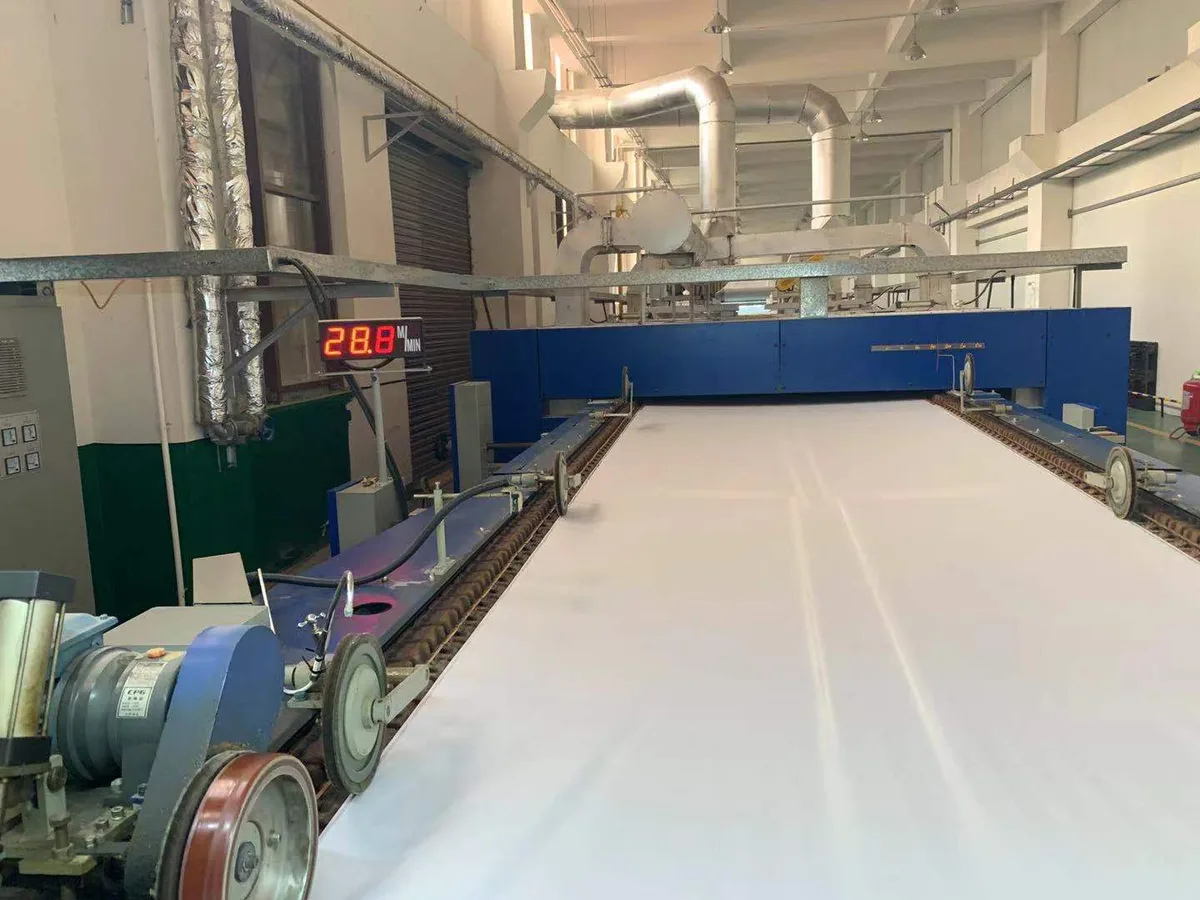
Materials, Components & Production Equipment
Everything an RO element manufacturer needs to serve municipal reuse and reclamation projects — not finished systems.
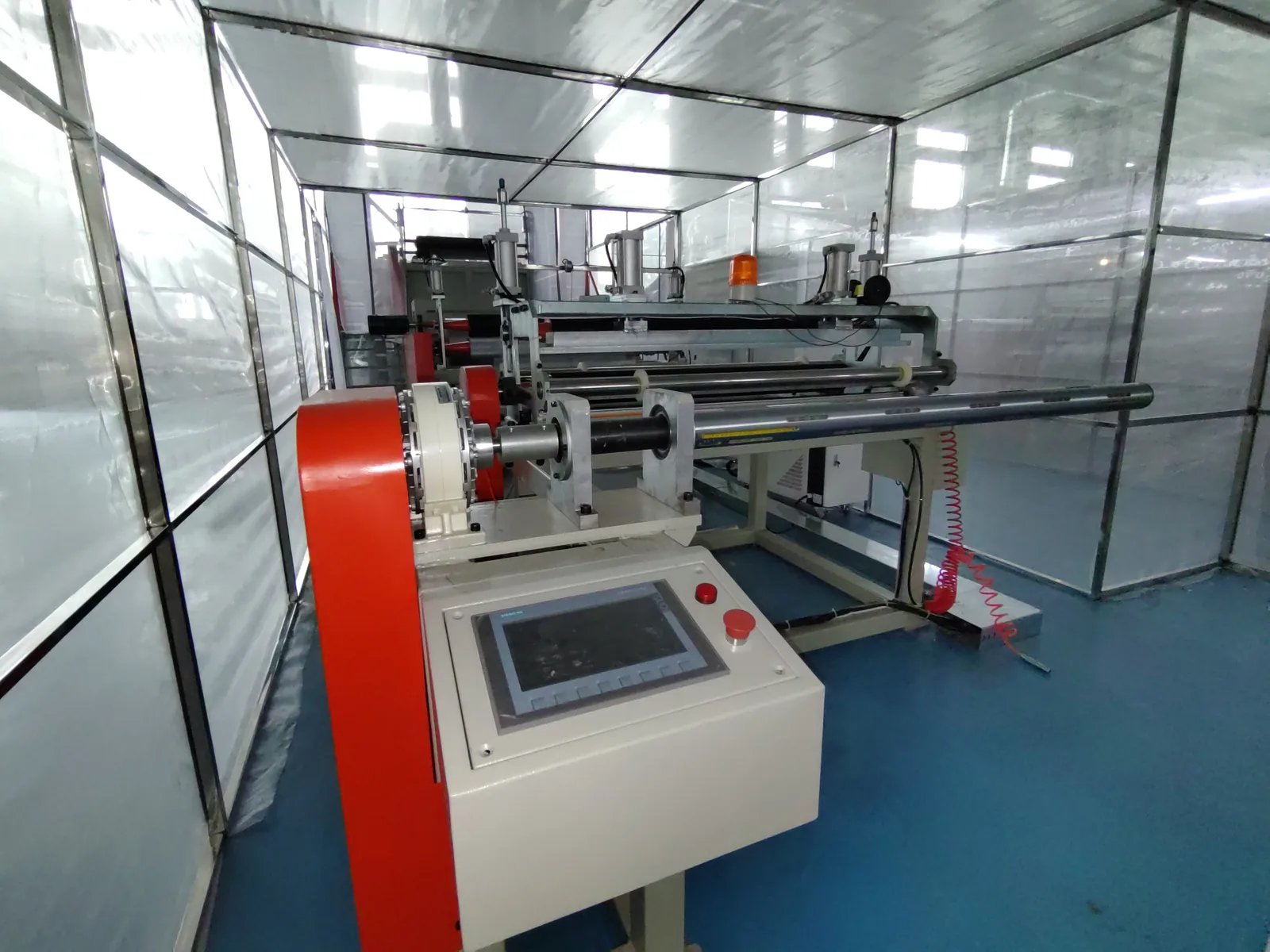
 Inside the plant
Materials & Components
- Fouling-resistant flat sheet
- Feed spacer & permeate carrier
- 4040 / 8040 central tubes & connectors
- Brine seals & end caps
- PU / epoxy glue & tape
- Fiberglass outer wrap
Production Equipment
- 4040 / 8040 rolling machine
- Cutting & folding
- Ultrasonic welding
- Trimming & FRP winding
- Vacuum leak testing
- Performance testing
Planning Questions for Reuse RO Elements
What does WECOME supply for municipal wastewater reuse RO?
We supply the RO membrane materials, components and production equipment used to manufacture reclamation RO elements — fouling-resistant flat sheet membrane, feed spacer, permeate carrier, 4040 / 8040 central tubes, brine seals, end caps, glue, tape and fiberglass wrap, plus rolling, trimming, FRP winding and testing machines. We do not sell finished elements or complete RO systems.
How is reuse RO different from municipal drinking-water treatment?
The feed and intent are different. Reuse polishes pretreated effluent with organic and biofouling risk, so cleanability and fouling tolerance dominate; drinking-water treats raw source water. We keep them as separate applications — see the drinking-water page for that duty.
How do you build reuse elements for fouling tolerance?
Mainly through a fouling-resistant membrane and a more open feed spacer that resists biofouling between cleans, plus cleaning-tolerant adhesive. We match the spacer and build to your pretreated effluent quality.
Which element sizes are used in water reclamation?
4040 and 8040 are both standard, chosen by plant size and array design. We supply the materials and machines for both and help size them to your reuse target.
Do you provide production and QC support?
Yes. We supply the rolling and testing equipment and advise on incoming checks, rolling consistency and leak / performance testing so every reclamation element meets spec.
Building RO elements for a municipal reuse project?
Send your pretreated effluent analysis, reuse target and element size — we’ll recommend the fouling-resistant membrane, components and machines to build dependable reclamation elements, and send a quote.