
RO Membrane Materials for High-Salinity Wastewater Recovery
High salinity wastewater reverse osmosis works at the limits — high osmotic pressure, high recovery and heavy scaling risk in MLD and ZLD trains. WECOME supplies the high-rejection membrane materials, high-pressure components and production equipment element manufacturers use to build elements for this duty.
Recovery at the Osmotic Limit
As a brine concentrates, its osmotic pressure climbs and scaling risk rises — so high-salinity recovery pushes the element to the edge of what RO can do. It is one high-pressure stage within a larger minimum liquid discharge or zero liquid discharge train, and the element must be built for that pressure and that brine.
High osmotic pressure
Concentrated brine needs high operating pressure — every component has to hold it.
Concentration limits
Recovery is bounded by osmotic pressure and scaling — RO takes the brine only so far.
Scaling control
High-TDS feed near saturation makes spacer choice and anti-scaling critical.
One stage in the train
RO is a concentration step in an MLD/ZLD chain — not a complete ZLD solution.

Where RO Sits in a Brine Concentration Train
In brine concentration RO, the membrane is a high-pressure concentration stage — after pretreatment and softening, and ahead of thermal or crystallisation steps. RO alone does not achieve ZLD; it reduces the volume the later stages must handle. The element is specified from the brine and the target recovery.
- Characterise the brineSalinity, scaling species and temperature define the membrane and pressure needed.
- Set the recovery targetHow far RO concentrates the brine before the next stage drives the build.
- Control scalingSoftening, anti-scalant and spacer choice keep the element stable near saturation.
- Specify the high-pressure elementHigh-rejection sheet, robust tube, epoxy/PU glue and FRP wrap for the pressure.
- Document & produceTraceable materials and consistent production keep every element on spec.
Standard industrial reuse instead? See industrial wastewater reuse.
Different Recovery Trains, Different Element Builds
High-salinity recovery appears in several kinds of train. Each points to a different high-pressure element build — but all share high rejection and scaling awareness.
MLD Concentration
Minimum liquid discharge trains using RO to concentrate brine and cut the volume sent to evaporation.
ZLD Pretreatment
RO as a high-recovery pretreatment stage ahead of thermal/crystalliser steps in a zero liquid discharge chain.
Brine Concentration
Dedicated brine concentration RO on high-TDS streams, built for high pressure and scaling control.
Six Material Decisions That Act as One Element
High salinity wastewater reverse osmosis puts every material under maximum stress. Each one below is chosen for high pressure and high-TDS brine, and they only perform when matched to each other.
Membrane Sheet
A high-rejection flat sheet membrane that holds salt rejection against high-TDS brine at high operating pressure.
Feed Spacer
Feed spacer choice controls scaling near saturation — a key lever on concentrated brine streams.
Permeate Carrier
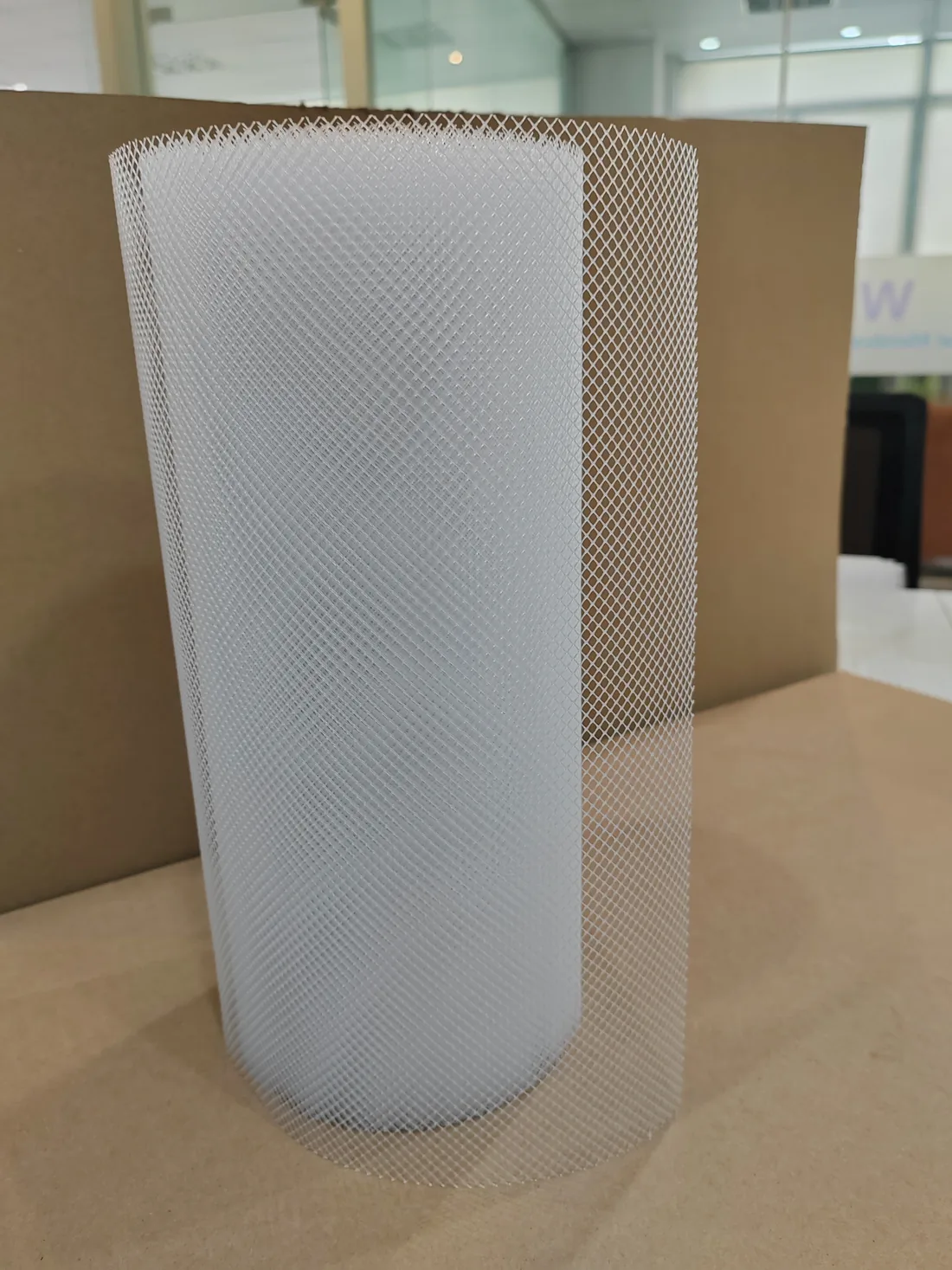
The permeate carrier carries product water with low back-pressure under high-pressure operation.
Central Tube
The central tube takes maximum pressure and flow in high-pressure elements without distortion.
Adhesive & Wrap
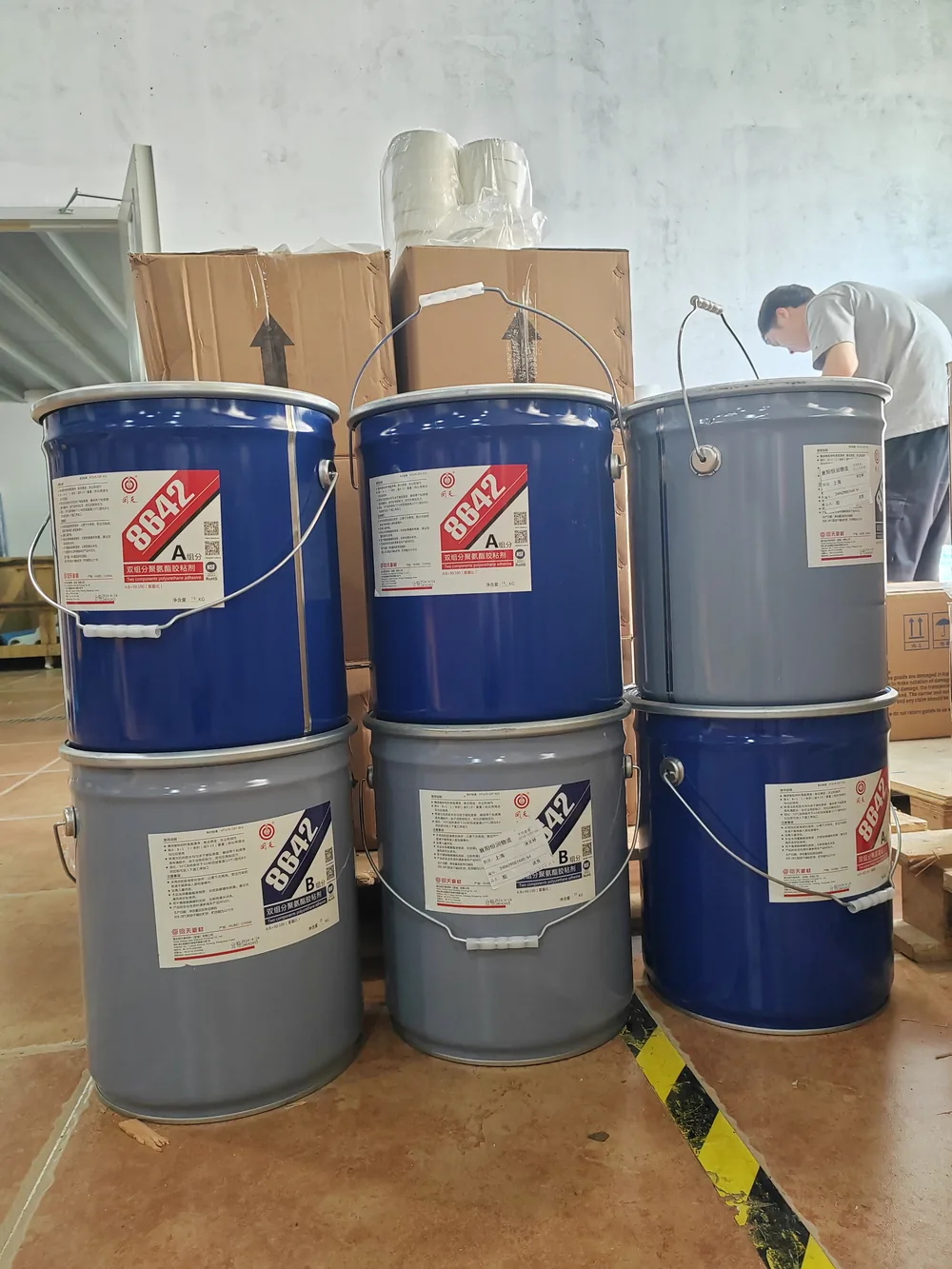
Epoxy/PU glue and fiberglass outer wrap give the pressure shell — the decisive factor at high pressure.
Seals & Parts
Robust brine seals, end caps and connectors keep concentrated feed flowing and joining cleanly under load.

High Pressure Leaves No Room for a Weak Build
At the pressures high-salinity recovery demands, a marginal glue line or FRP wrap fails fast. Traceable, repeatable production is as important as the material spec — and we supply the machines for it.
- Incoming material checks — verify high-rejection membrane, spacer and components before rolling.
- Controlled rolling — stable winding tension for pressure-tight, repeatable rolls.
- FRP outer winding — consistent fiberglass shell that survives high-pressure duty.
- Pressure & leak testing — vacuum, flow and rejection checks with records on every element.
Specify for the Pressure, Then Build It the Same Every Time
The safest high-salinity programs start from the brine analysis and a documented high-pressure element specification — then hold it across every production run.
- Start from the brine analysis — salinity and scaling species decide membrane, pressure and spacer.
- Specify for high pressure — robust central tube, epoxy/PU glue and FRP wrap in writing.
- Set acceptance criteria — rejection, flow and leak limits at operating pressure agreed up front.
- Traceable construction — documented materials and records across every run.
Match Materials to Brine and Pressure
| Duty / stage | Typical challenge | Membrane | Build notes |
|---|---|---|---|
| MLD concentration | High TDS, high pressure | High-rejection sheet | Robust tube; epoxy glue; FRP wrap |
| ZLD pretreatment | High recovery ahead of thermal | High-rejection sheet | Pressure-rated build; tight QC |
| Brine concentration | Near-saturation scaling | High-rejection sheet | Scaling-aware spacer; durable parts |
| Elevated-temp brine | Temperature + salinity | Duty-matched sheet | Compatible adhesive & seals |
Indicative only — the exact build is confirmed from your brine analysis and recovery target. RO alone does not achieve ZLD. Size it with the element size reference.
Materials, Components & Production Equipment
Everything an RO element manufacturer needs to build high-pressure elements for high-salinity recovery — not finished systems, and not a ZLD promise.
 Inside the plant
Materials & Components
- High-rejection flat sheet
- Scaling-aware feed spacer
- Robust 8040 central tubes
- Heavy-duty brine seals & end caps
- Epoxy / PU glue & tape
- Fiberglass outer wrap (FRP)
Production Equipment
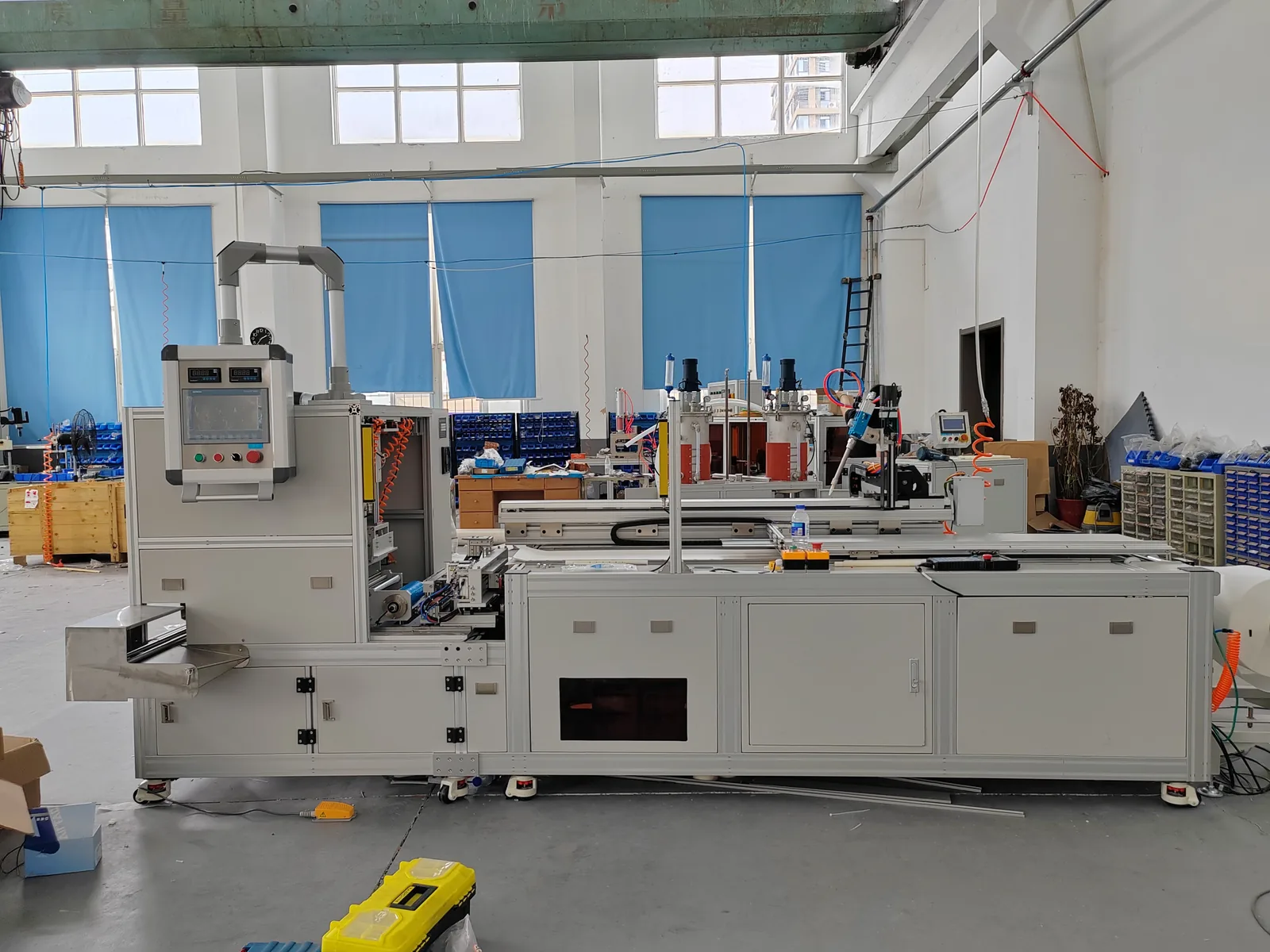
- 8040 rolling machine
- Cutting & folding
- Ultrasonic welding
- FRP winding
- High-pressure leak testing
- Performance testing
Planning Questions for High-Salinity Elements
What does WECOME supply for high salinity wastewater reverse osmosis?
We supply the RO membrane materials, high-pressure components and production equipment used to manufacture high-salinity recovery elements — high-rejection flat sheet membrane, scaling-aware feed spacer, robust central tubes, heavy-duty seals, epoxy/PU glue, tape and fiberglass wrap, plus 8040 rolling, FRP winding and high-pressure testing machines. We do not sell finished elements or complete systems.
Does RO alone achieve zero liquid discharge?
No. RO is a high-pressure concentration stage that reduces the brine volume the later thermal or crystalliser steps must handle. Zero liquid discharge is achieved by the whole train, not RO alone — we supply the materials and equipment for the RO stage within it.
How high a pressure do these elements run at?
Higher than standard brackish or even seawater duty, depending on brine salinity and recovery. That is why the central tube, epoxy/PU adhesive and FRP wrap are specified for the pressure, and why every element is pressure and leak tested. Share your brine data and we will recommend a build.
How do you handle scaling near saturation?
Through scaling-aware feed spacer choice, a high-rejection membrane matched to the brine, and upstream softening/anti-scalant in the train. We match the spacer and build to your brine analysis and recovery target.
Do you provide production and QC support?
Yes. We supply the 8040 rolling, FRP winding and high-pressure testing equipment and advise on incoming checks, rolling consistency and leak / performance testing so every element meets spec.
Building high-pressure RO elements for brine recovery?
Send your brine analysis, recovery target and element size — we’ll recommend the high-rejection membrane, high-pressure components and machines to build dependable elements, and send a quote.