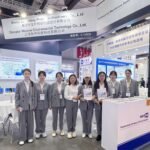

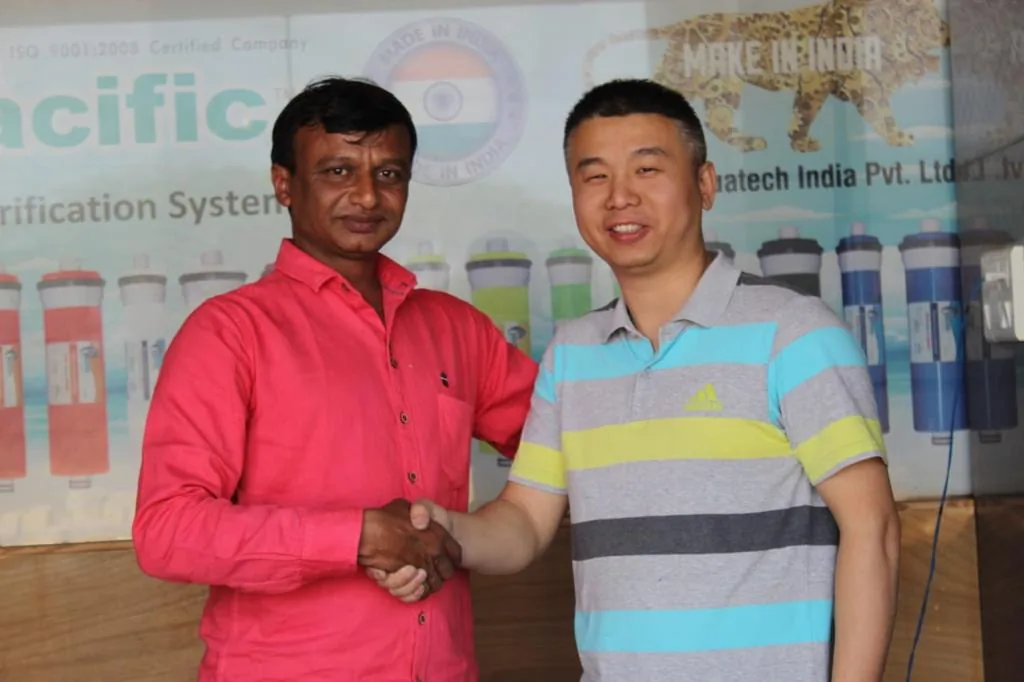
Keshod is a small, unassuming city in western India, and access to it was far from convenient. In 2015, at the kind invitation of Pacific in India, we visited this city for the first time. We still remember leaving from the Ahmedabad Exhibition Center: although the distance was only about 300 kilometers, the drive took more than seven hours, and we did not arrive until after 10 p.m.
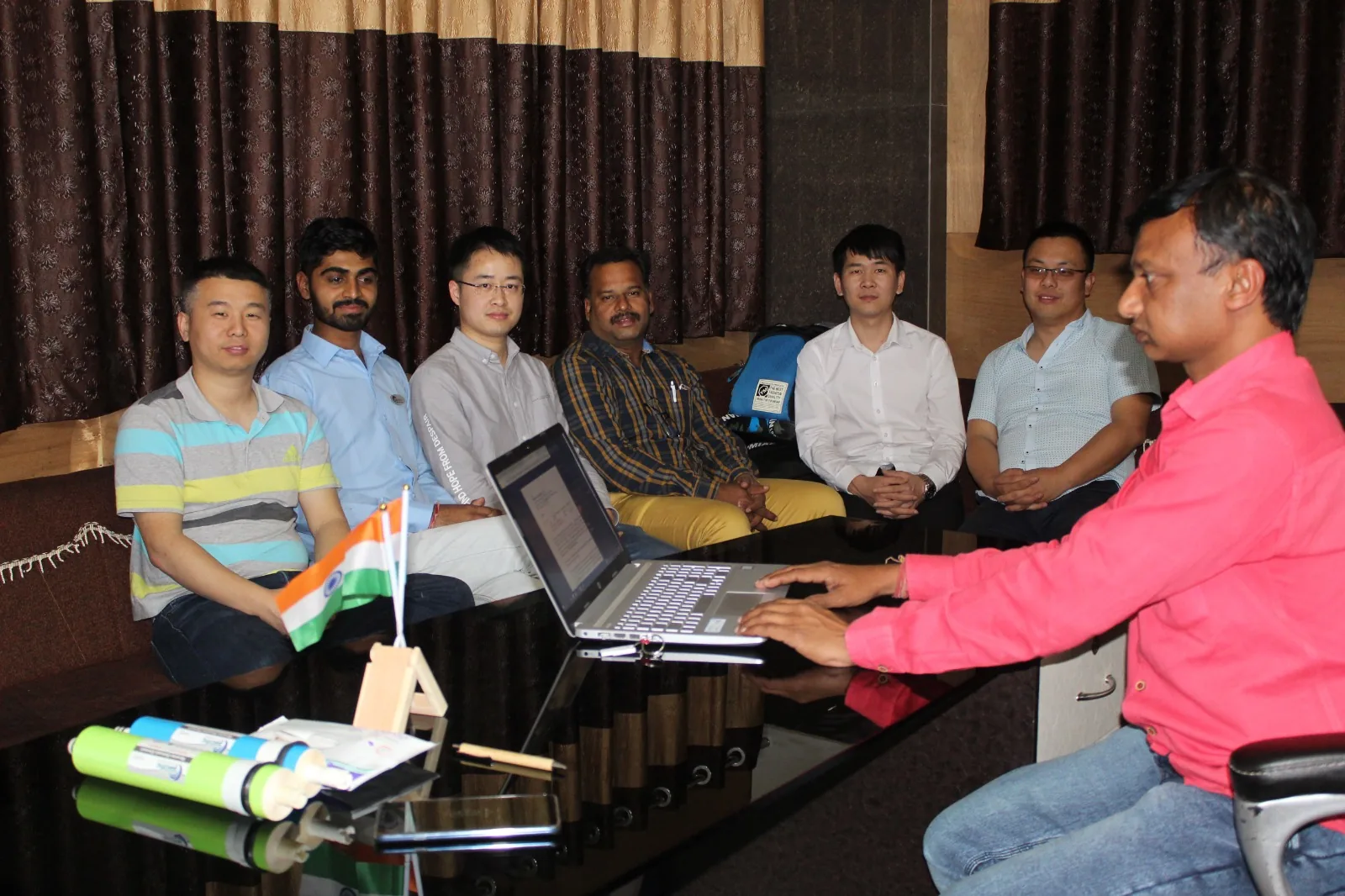


At that time, Keshod was relatively isolated in terms of transportation. Its economy was comparatively underdeveloped, and there was almost no industrial base. BALDHA, General Manager of Pacific, had a very sharp business sense and strong confidence in the future development of India’s water treatment market. Because of transportation and other constraints, few suppliers or technical engineers in the industry had visited this city. For that reason, BALDHA was especially enthusiastic about our arrival.
The next morning, BALDHA personally showed us around the factory. The entire facility was less than 200 square meters and had only one old Korean-style manual membrane rolling machine. Most material preparation work had to be completed manually, so production efficiency was relatively low. The factory could produce only about 200-300 domastic membrane elements per day. Even so, for India’s newly emerging water treatment market, this was a giant ship that had already begun its voyage.
He specially arranged a dinner for us and explained in detail his vision for expanding the local water purification business. Although the facilities were simple, the team showed strong execution capability and a genuine desire to learn. BALDHA frankly noted that this information asymmetry was part of their survival space, while introducing more advanced membrane rolling technology and a quality management system would be the key to breaking through capacity bottlenecks and improving product competitiveness. This visit not only established initial trust, but also laid a solid foundation for subsequent technical cooperation and deeper market development. It allowed us to see that Pacific, although still a small company at the time, had the potential to become a giant ship and to demonstrate enormous promise in India’s blue-ocean water treatment market.
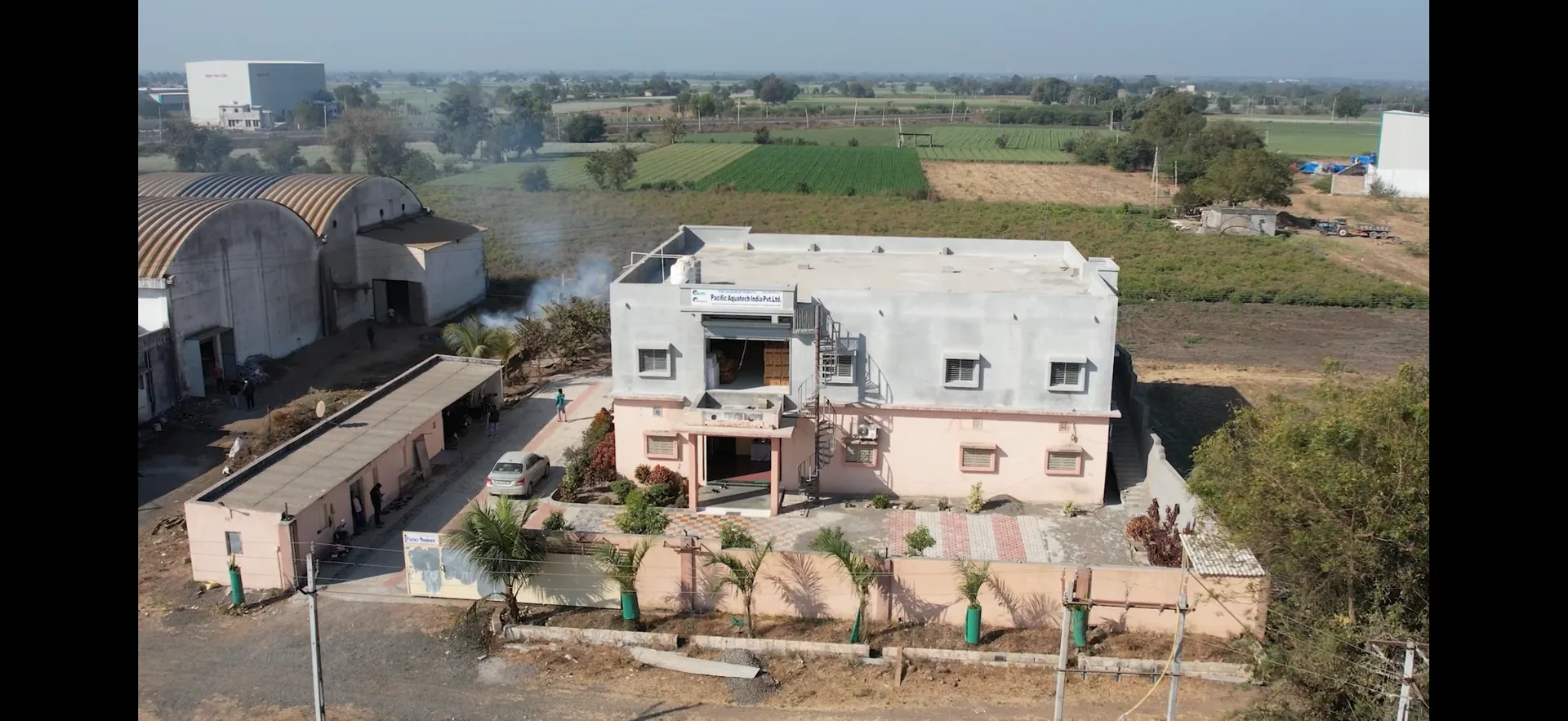
From that point on, WECOME and Pacific entered into a strategic partnership. In addition to supplying Pacific with a wide range of cost-effective spiral-wound reverse osmosis membrane element production materials, WECOME also provided ongoing innovative technical support, including the latest automated equipment and new innovative membrane rolling materials. In 2016, Pacific received its first container that had crossed the ocean to reach Keshod. Based on its production volume at that time, it would take Pacific several months to consume one full container of materials.

At the beginning of 2018, as the Modi government continued to encourage Make in India and the Indian economy kept developing, India’s water treatment market entered a period of rapid growth. Pacific also began to accelerate its development and added two sets of dosmatic membrane production lines at one time. To address the low efficiency of the previous Korean-style semi-automatic dosmatic membrane rolling line, WECOME recommended a new automatic membrane rolling machine. Compared with the older Korean-style semi-automatic membrane rolling machine, it offered the following advantages:
• The glue-dispensing robotic arm is controlled by a high-speed motor, making the process faster and more efficient;
• It is equipped with an automatic material-feeding trolley that moves back and forth automatically, allowing materials to be supplied quickly to the operator;
• Programs can be called directly from the onboard touchscreen control panel, enabling one-touch switching among different product specifications without resetting the program;
• The automatic welding process for the central tube and carrier eliminates the need for a double-sided tape process, while also saving labor and cost;
• The carrier tension is controlled automatically and precisely, without manual adjustment, so the performance of the finished membrane elements is more stable;
• The equipment also realizes an automatic tape-wrapping process, which is more efficient and stable than the manual tape-pulling and wrapping process used on Korean-style equipment;
• Compared with Korean-style equipment that has many control buttons, the design was simplified: some functions were converted to automatic response, while others adopted foot-pedal control, making the machine more ergonomic.

WECOME and Pacific shared the same belief in the future of India’s water treatment market. WECOME consistently communicated one idea to Pacific: factory scale and capacity should be planned in advance, and highly automated integrated equipment should be installed ahead of demand, because rapid market growth would not leave much time for waiting. Therefore, in 2019, Pacific began expanding its factory by adding a second floor to the existing one-story building, while also starting its plan to manufacture industrial membrane elements.
BALDHA, General Manager of Pacific, said that although the company could temporarily only produce and process dosmatic reverse osmosis membrane elements, the continued development of Make in India would create significant future demand for industrial reverse osmosis membrane elements. India is a country with a large population, and its industrialization process is often rapid and transformative. The company needed to plan industrial membrane production lines in advance, while also researching and exploring the industrial membrane market. It could not passively wait for demand to arrive before considering product development, because that would mean losing many opportunities.
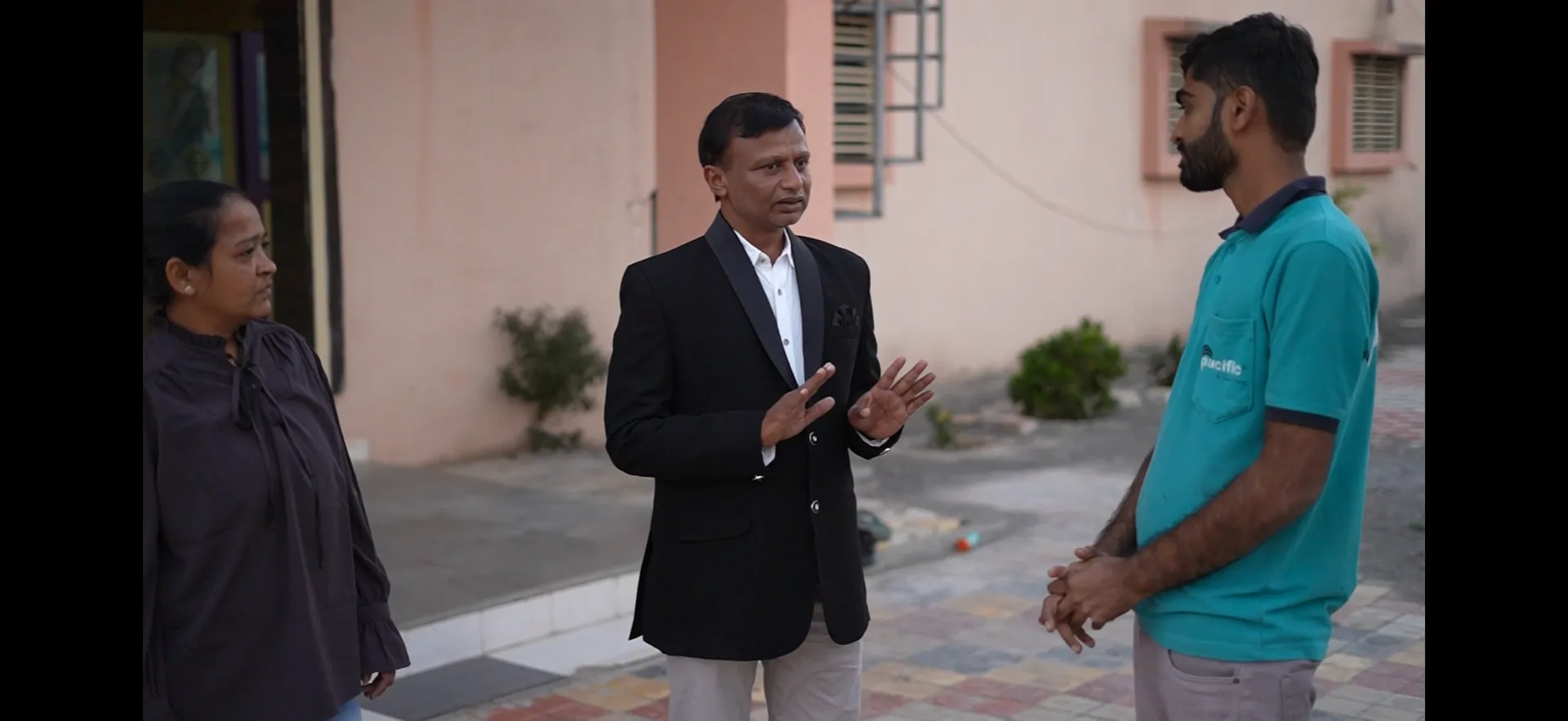
In 2020, the global COVID-19 pandemic arrived, and manufacturing industries in every country faced tremendous pressure. In the face of global supply-chain restructuring, India became even more determined to advance its manufacturing strategy. At that time, many countries entered a state of emergency, ports stopped operating, and various disruptions quickly caused shortages of consumer products and raw materials. China was the first to bring the virus under effective control and gradually reopen shipping. By the end of 2020, after considerable effort, WECOME finally completed the shipment of the first automatic industrial membrane production line and sent it to Pacific in India.
In 2021, the global pandemic remained severe, causing serious disruption to international business travel. As a result, we were unable to arrange engineers to install the equipment on site or provide the related equipment training in person. Under these special circumstances, we pioneered a solution for remote equipment control, software upgrading, and guided installation. We equipped each partner with a small Wi-Fi control box. Once the control box was connected, our engineers could remotely monitor the equipment and perform equipment program upgrades and maintenance.
During the pandemic, Jignesh, Technical Director of Pacific, provided us with tremendous support. With his highly professional technical capability and unique understanding of the equipment, he completed the installation and commissioning of all equipment under remote guidance from our engineers. The equipment then began operating smoothly. This can be regarded as a new record.
In 2023, Pacific added two more sets of the latest automatic dosmaticl membrane rolling machines. Technical Director Jignesh emphasized that more testing equipment and automated equipment would be needed in the future to solve more product quality issues. In the past, most material preparation work was completed manually. Because each operator’s technique and efficiency were different, it was difficult to ensure consistent product quality. Only by strengthening the layout of automated equipment and quality inspection could the consistency of every product be ensured to a greater extent.
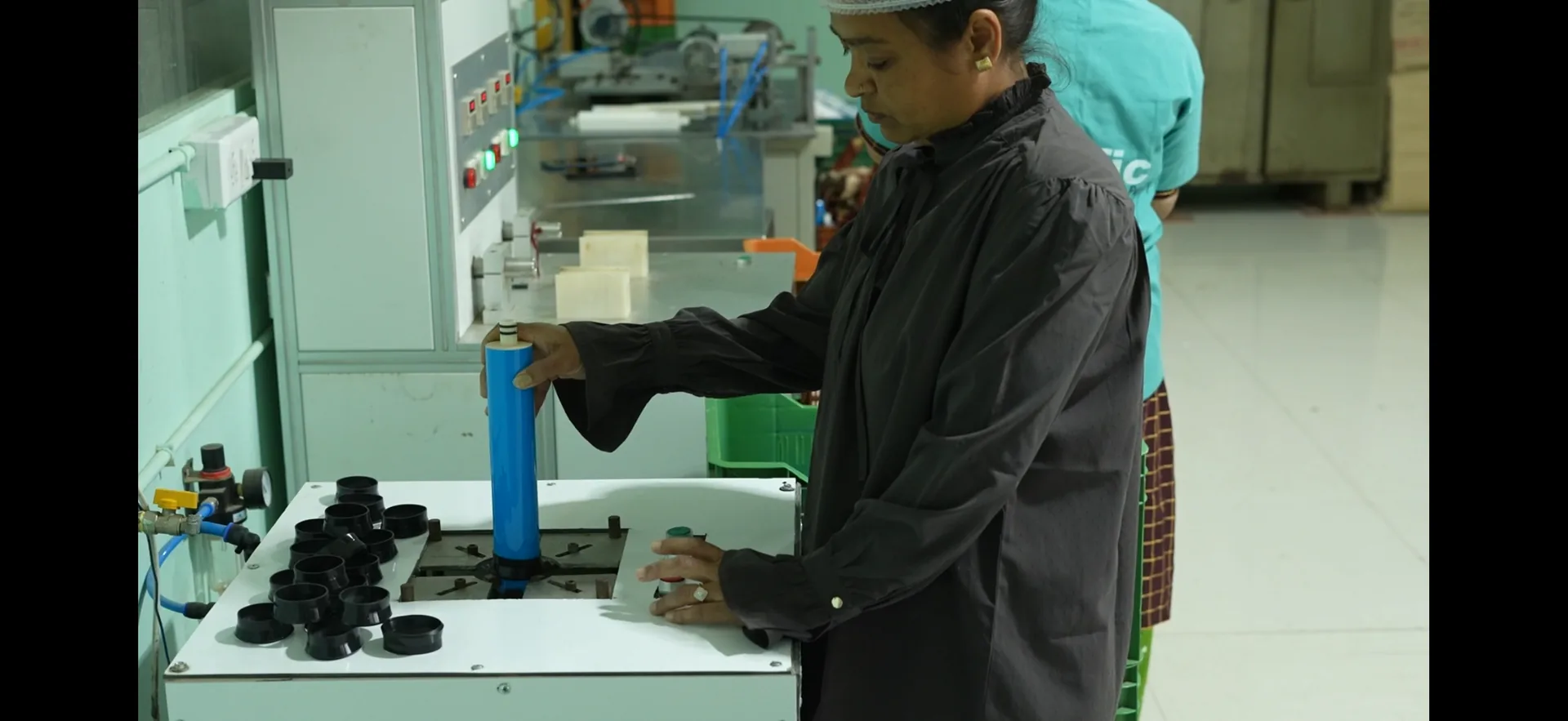
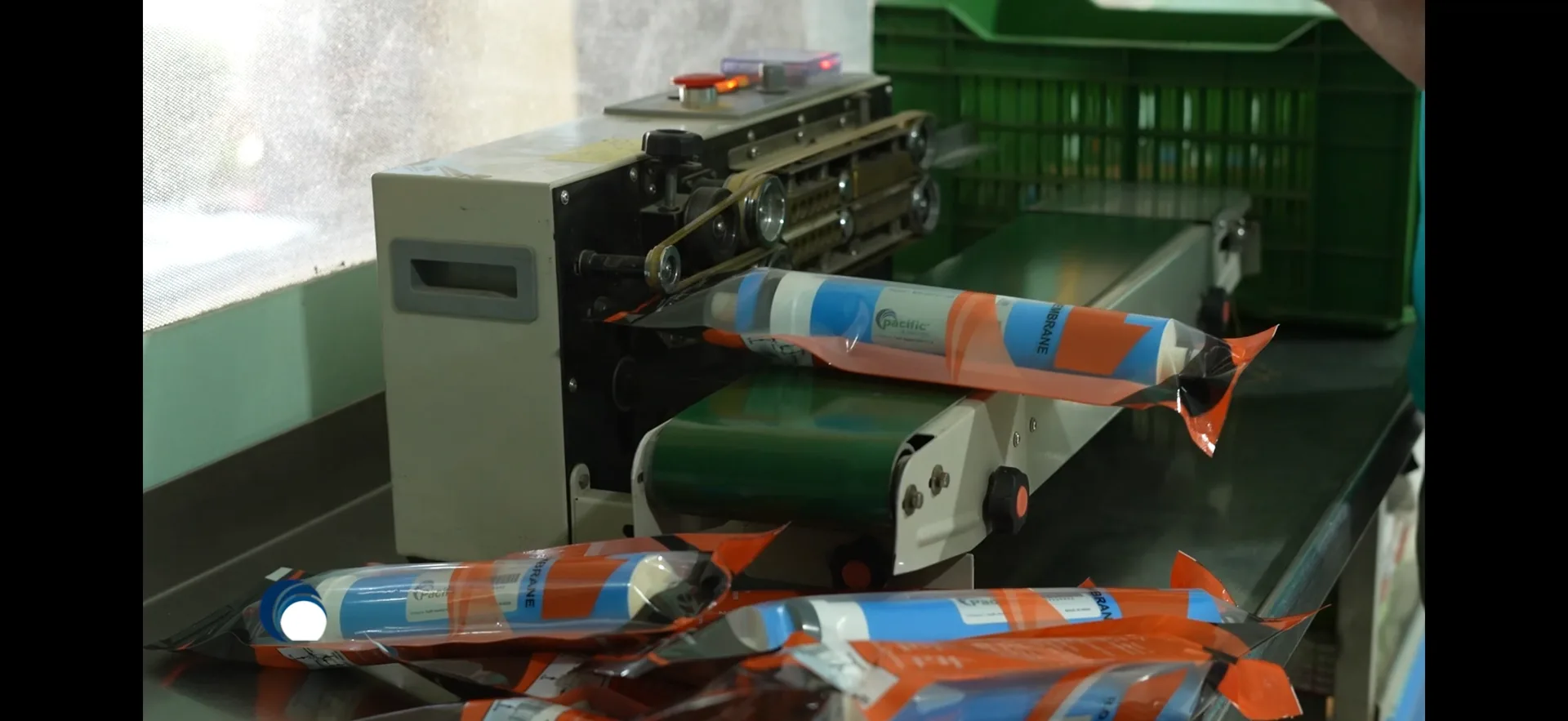
In 2024, Pacific introduced a second automatic industrial membrane production line. At the same time, the company purchased an automatic industrial carrier welding machine and an automatic membrane sheet cutting and welding machine. Compared with the previous manual material preparation process, these automated machines are faster and more efficient, meeting the production requirements of larger capacity. The automatic and precise welding of the carrier results in smaller errors. Welding 23 sheets of 8040 carrier takes only about four minutes, which is three to four times faster than manual work.
The desalination layer on the surface of a reverse osmosis membrane sheet is extremely thin and can easily suffer invisible surface damage during manual folding. Our automatic membrane sheet folding and welding equipment effectively solves these pain points, efficiently completing folding and material preparation while saving a significant amount of manual labor.

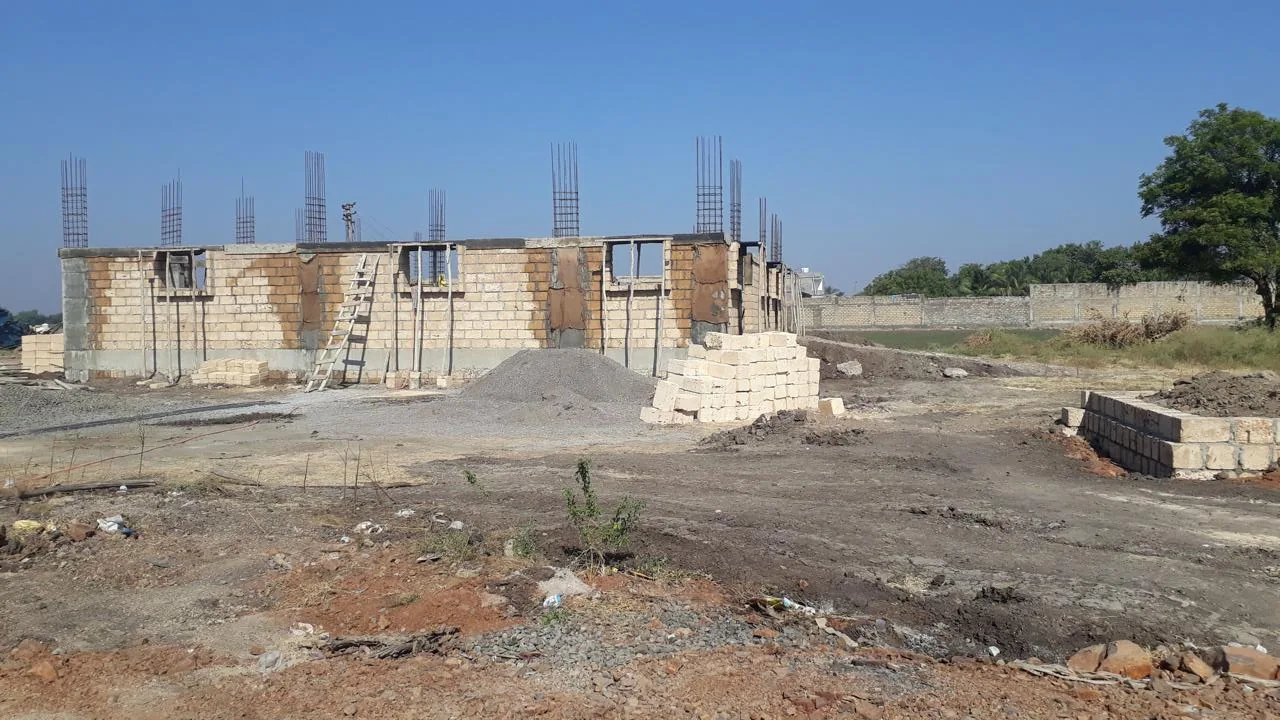
In 2025, Pacific began another new journey in India. The company purchased a new factory site and began construction of the new facility. It plans to complete the new factory in 2026 and has placed its industrial membrane product line expansion plan on the agenda. The company’s future development goals are clear and firm. Together, we look forward to even faster development.


Bessie has 10+ years of experience in RO membrane materials and water treatment supply chains. At WECOME, she helps manufacturers and system integrators worldwide source the right membrane components — from feed spacers and permeate carriers to NSF-certified adhesives — backed by hands-on technical support.