

WECOME / Membrane materials
Low-Pressure RO Membrane Sheets for Element Manufacturers
Compare LP and ULP grades, define your roll requirements and request samples for your next production trial.
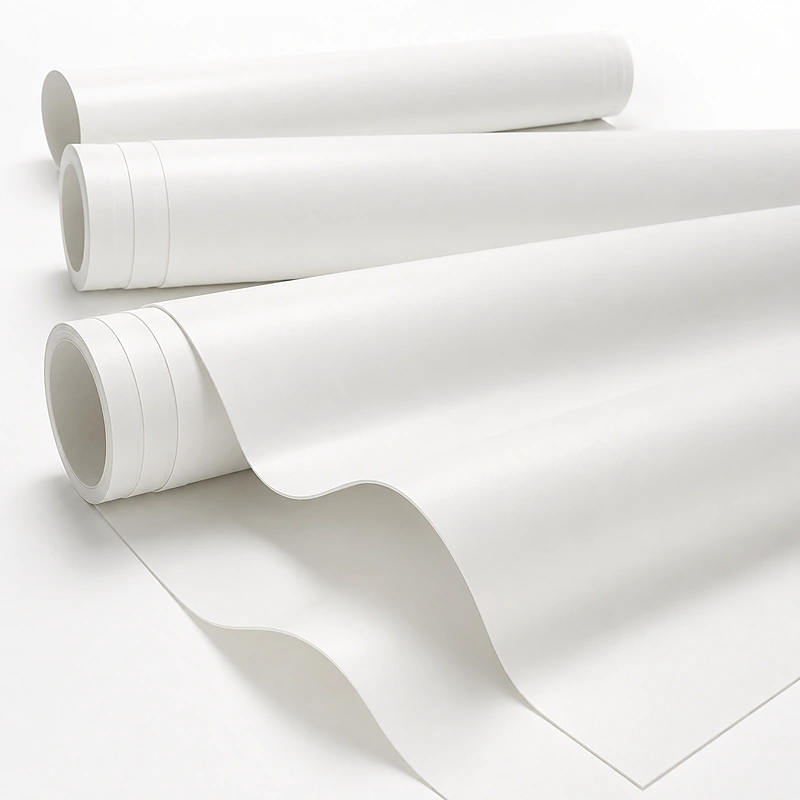
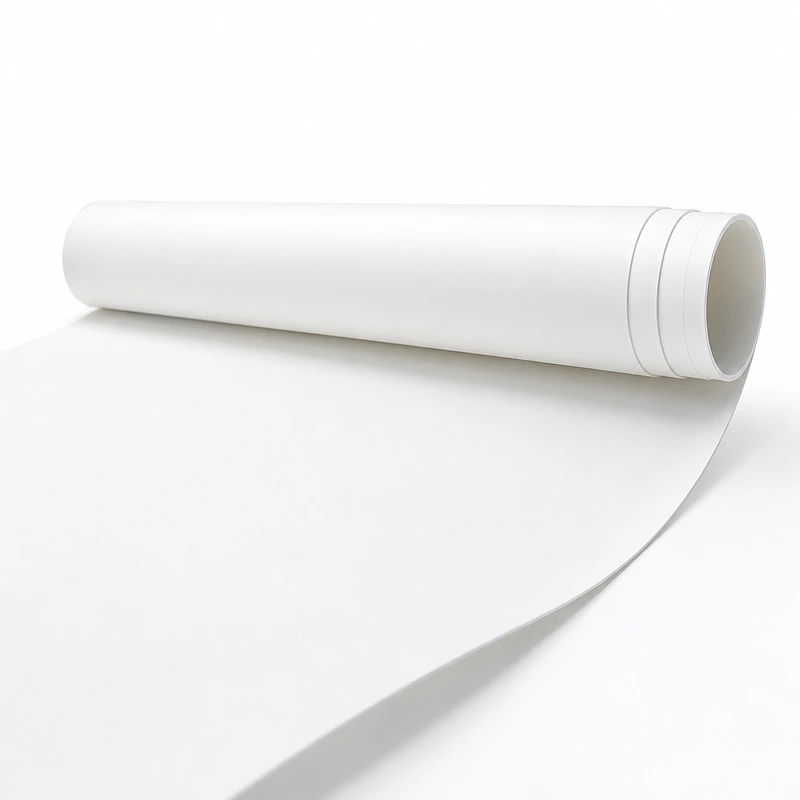
- Polyamide TFC sheet in roll form
- Grade review against your rejection and output targets
- Roll, slitting and sample supply by quotation
Membrane raw material for element production. Product visuals are illustrations, not factory photographs.
A focused procurement shortlist
Compare Low-Pressure and Ultra-Low-Pressure Sheet
Start with the conditions your element must meet. These three listed grades offer a starting point for a sample discussion, not an automatic substitute for your approved sheet.
TPK-LP-H
Start with the rejection target. Shortlist when your acceptance brief puts a tighter limit on salt passage. Confirm that the resulting element also meets your required output.
Discuss TPK-LP-HTPK-LP
Compare with your current sheet. A candidate for a controlled, like-for-like production trial. Keep feed conditions, membrane area and element construction consistent when comparing.
Discuss TPK-LPTPK-ULP
Review the pressure requirement. Discuss this ULP candidate with your feed-water analysis and intended pressure. The grade name is not a guaranteed operating-pressure rating.
Discuss TPK-ULP| Grade | Salt rejection | Water flux, GFD | Before approval |
|---|---|---|---|
| TPK-LP-H | 99.5% | 32–36 | Confirm grade-specific test data and sample results |
| TPK-LP | 99.4% | 35–39 | Confirm grade-specific test data and sample results |
| TPK-ULP | 99.2% | 39–42 | Confirm grade-specific test data and sample results |
For the wider range, including XLP options, see the RO membrane sheet product specifications.
Inside the membrane sheet
Three Layers. Different Jobs.
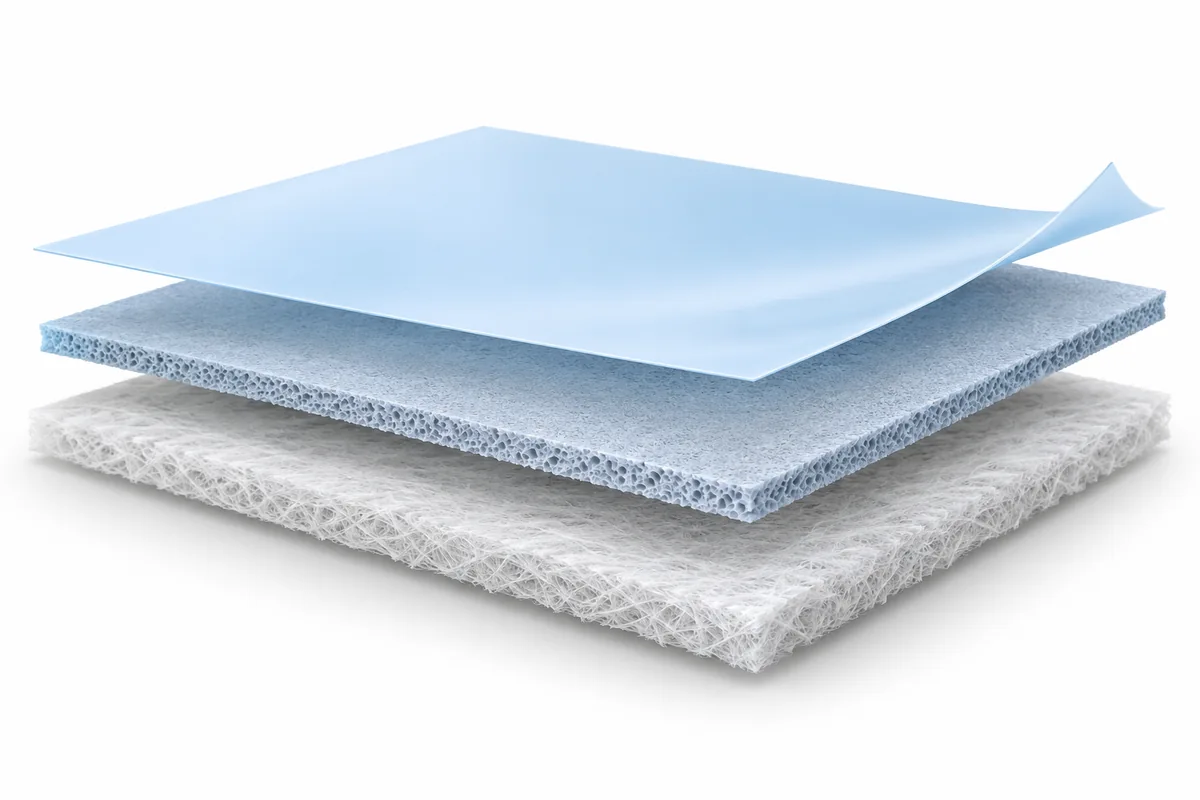
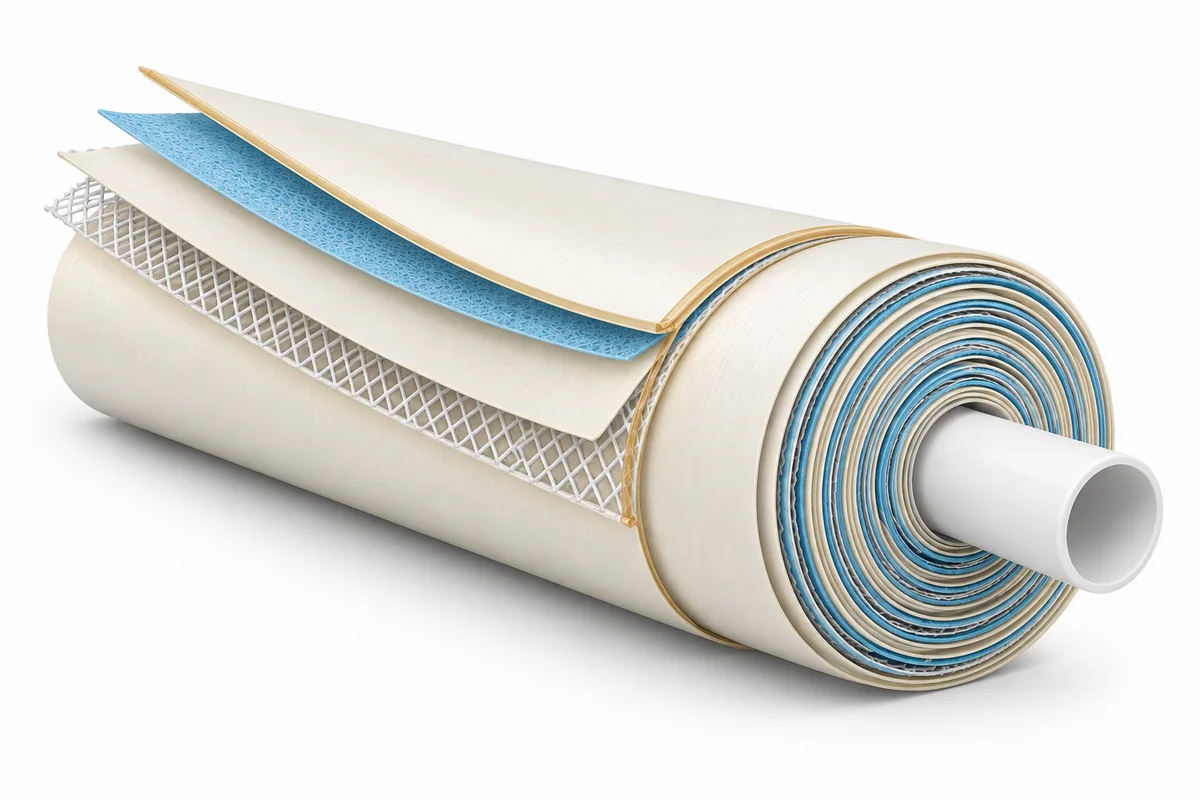
A TFC membrane combines a thin separation layer with supporting layers. Understanding this RO membrane material helps separate sheet specifications from the components added during element assembly.
Polyamide separation layer
The selective surface controls water and salt transport. Protect it from damage during handling and conversion.
Porous support layer
Supports the thin selective film. The material and structure must be verified against the supplied grade.
Nonwoven backing
Provides mechanical support for handling and conversion. It is part of the membrane sheet, not the separate permeate carrier.
Match the grade to the duty
Define the Result You Need
A low-pressure label alone is not enough to select a sheet. Put the following requirements into the same acceptance brief before you compare samples.
Feed-water conditions
Share salinity or TDS, temperature, pH and relevant contaminants. A general label such as tap water does not replace a water analysis.
Available pressure
State intended operating and test pressure. Ask for the grade's operating limits; do not assume a pressure or energy-saving percentage from its name.
Rejection and output
Define the required permeate quality and element output together. A higher flux is useful only when rejection and construction requirements are also met.
Element construction
Provide the format, membrane area, leaf layout and spacer/carrier specifications. Finished-element performance must be checked in that construction.
From master roll to your leaf
Confirm the Usable Width Before Ordering
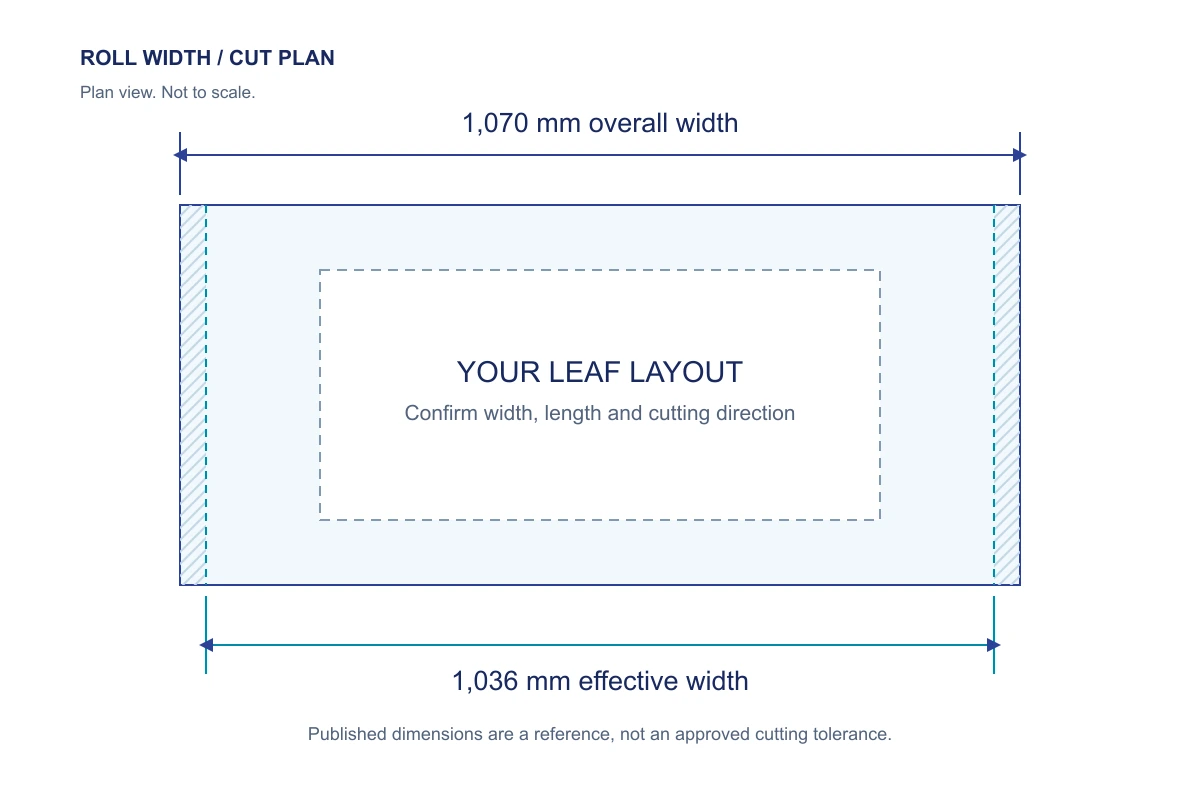
The overall roll width is not the same as usable membrane width. Match the grade and cut plan to your leaf design before calculating material use or placing a slit-roll order.
- Published overall width
- 1,070 mm
- Published effective width
- 1,036 mm
- Confirm the cutting direction and active surface orientation.
- Specify slit width or cut length, quantity and tolerances.
- Check edge allowance and sample layout before approving the order.
Dimensions are from the current product reference. Confirm the actual supplied grade and agreed cut specification.
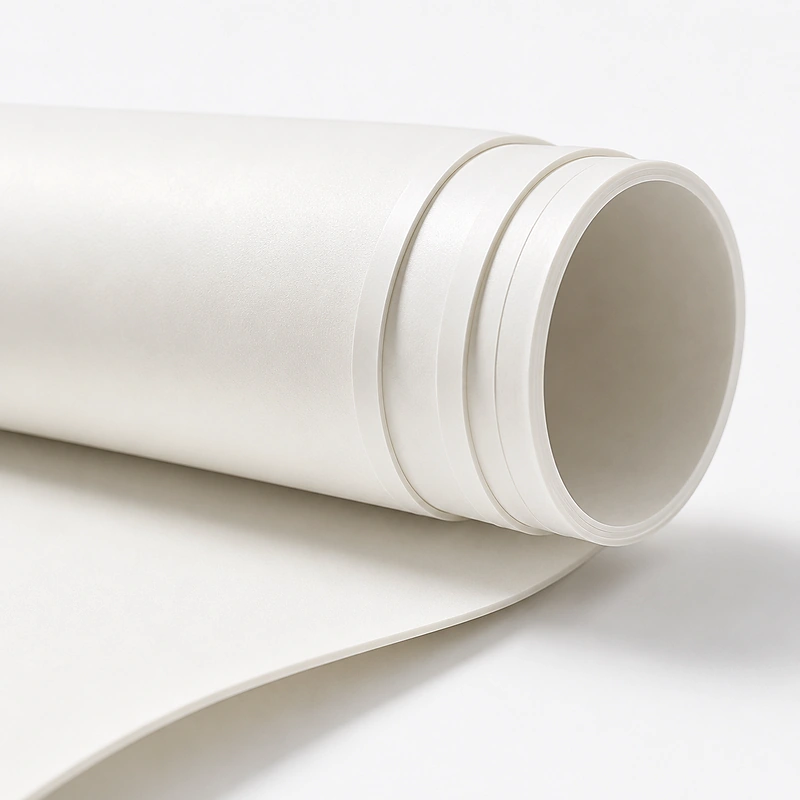
Keep the material stack consistent
From Flat Sheet to Spiral-Wound Elements
Membrane sheet is one input to spiral wound membranes. The neighbouring flow-channel materials and leaf construction also affect how the finished element performs.
- Membrane sheet provides the selective barrier.
- Feed spacer forms the feed-side flow channel.
- Permeate carrier provides the permeate-side path toward the central tube.
When changing the sheet grade, keep the remaining material stack controlled during the first comparison. Record any process adjustments rather than attributing every result to the sheet alone.
Before you commit to bulk supply
Turn a Sample into an Approved Specification
Agree the sample, test method and acceptance criteria first. Use the same evidence to define a repeat order.
Review the data
Request the grade-specific data sheet, test conditions and available batch records. Compare these with your current approved material.
Inspect the sample
Check supplied dimensions, visible surface and edge condition, packaging and handling instructions against the agreed requirements.
Run a production trial
Use your actual leaf design, materials and manufacturing process. Record conversion behaviour and test the finished sample element.
Agree the supply order
Confirm grade, dimensions, quantity, packaging, documents, storage requirements and delivery terms. Keep the accepted reference for repeat orders.
For the wider vendor review, use the membrane sheet supplier evaluation checklist. Sample availability and acceptance support are agreed in the quotation.
Prepare a useful quotation
Request LP / ULP Sheet Samples and Supply
Send the requirements behind the grade name. WECOME can review the candidate sheet, requested format and sample or bulk-supply scope with your team.
- Feed-water analysis and intended test conditions
- Target rejection and finished-element output
- Current grade or test report, when available
- Roll/slit dimensions, quantity and destination
A quotation should separate the sample requirement from the production order. Confirm price, minimum order, lead time and delivery terms before approval.
Technical references
Keep Your Next Decision Connected
Complete Sheet Range
Review the general membrane sheet range and published product dimensions.
View product specificationsSupplier Evaluation
Check the evidence behind a quotation, not just the headline price.
Review the supplier checklistPermeate-Side Material
Confirm the carrier specification alongside the sheet and your leaf construction.
Review permeate carrierMaterials and equipment, reviewed together
Connect Your Sheet Supply to Element Production
Buying membrane sheet for an existing factory or a new line? Match your material trial to the equipment that will handle the leaf stack and finished element.
Residential production
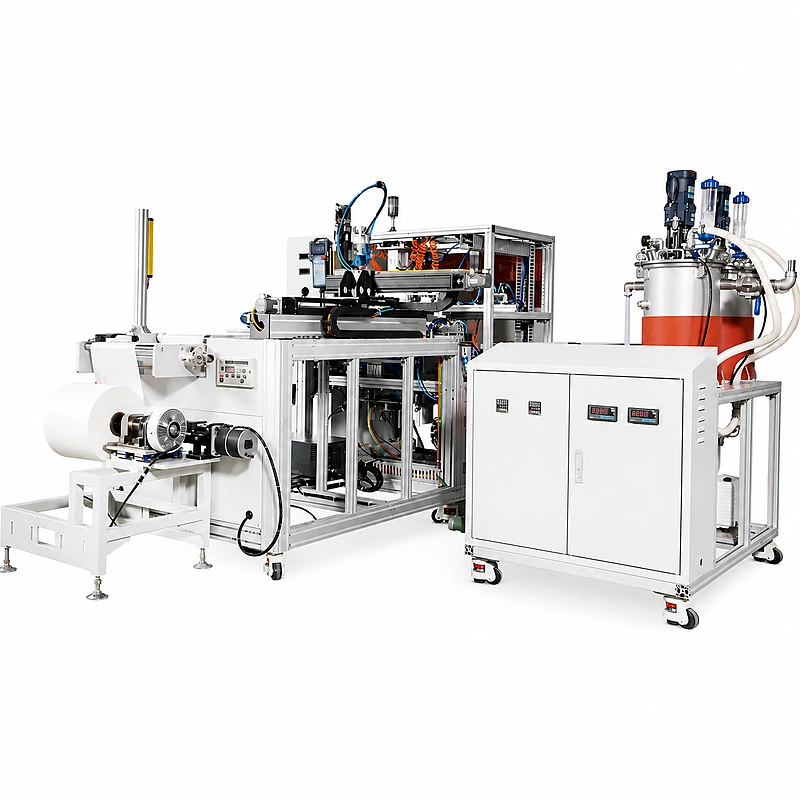
Household Element Production
Review the leaf stack, central tube and finished diameter with the machine configuration before approving a new sheet grade.
View household rolling machine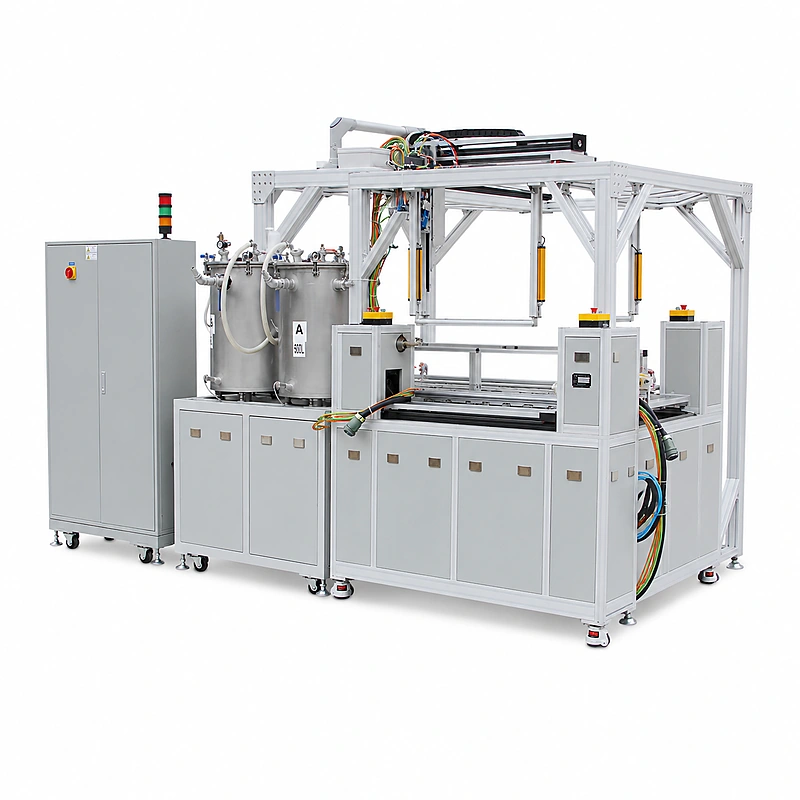
Industrial production
4040 / 8040 Element Production
Check leaf dimensions, material handling and rolling requirements for your industrial program. Validate the sheet in the agreed element construction.
View industrial rolling machinePlanning the Complete Production Line?
Coordinate sheet supply with rolling, finishing and testing. Agree station scope, target output, utilities and acceptance tests in the project quotation.
- Sheet & leaf preparation
- Rolling
- Curing & finishing
- Element testing
A compatible format alone does not approve a sheet-and-machine combination. Include your material sample and leaf design in the trial.
Discuss Materials & EquipmentBefore your enquiry
Low-Pressure Membrane Sheet FAQs
Can you supply low-pressure RO membrane sheet rather than finished elements?
What is the difference between LP and ULP membrane sheet?
Does the highest listed flux mean the best grade for our production?
Can we replace an existing grade with TPK-ULP without changing the process?
Can low-pressure sheet be selected for seawater simply from this table?
What should a sample and bulk-supply quotation include?
Find the Sheet That Fits Your Production
Share your target conditions, element construction and required quantity for a focused grade and supply review.