

RO Membrane Machine Maintenance Checklist
Keep your rolling, trimming and testing machines running with this maintenance checklist — daily, weekly and monthly tasks that prevent downtime and protect element quality.
- Daily machine checks
- Weekly upkeep
- Monthly servicing
- Records & safety
Key Takeaways
- Maintenance runs on a daily, weekly and monthly rhythm.
- It covers your rolling, trimming and testing machines.
- Consistent upkeep prevents downtime and quality drift.
- Keep a log so recurring issues show up early.
Maintenance Is Cheaper Than Downtime
A rolling machine that drifts out of tension, a blunt trimming blade or a leaking test seal all show up as scrap and lost time. A simple, regular maintenance routine keeps every machine working to spec and keeps your element quality steady.
Work through the checklist below on its daily, weekly and monthly rhythm. When something does go wrong, the troubleshooting guide helps you trace it, and many issues link back to common rolling defects.
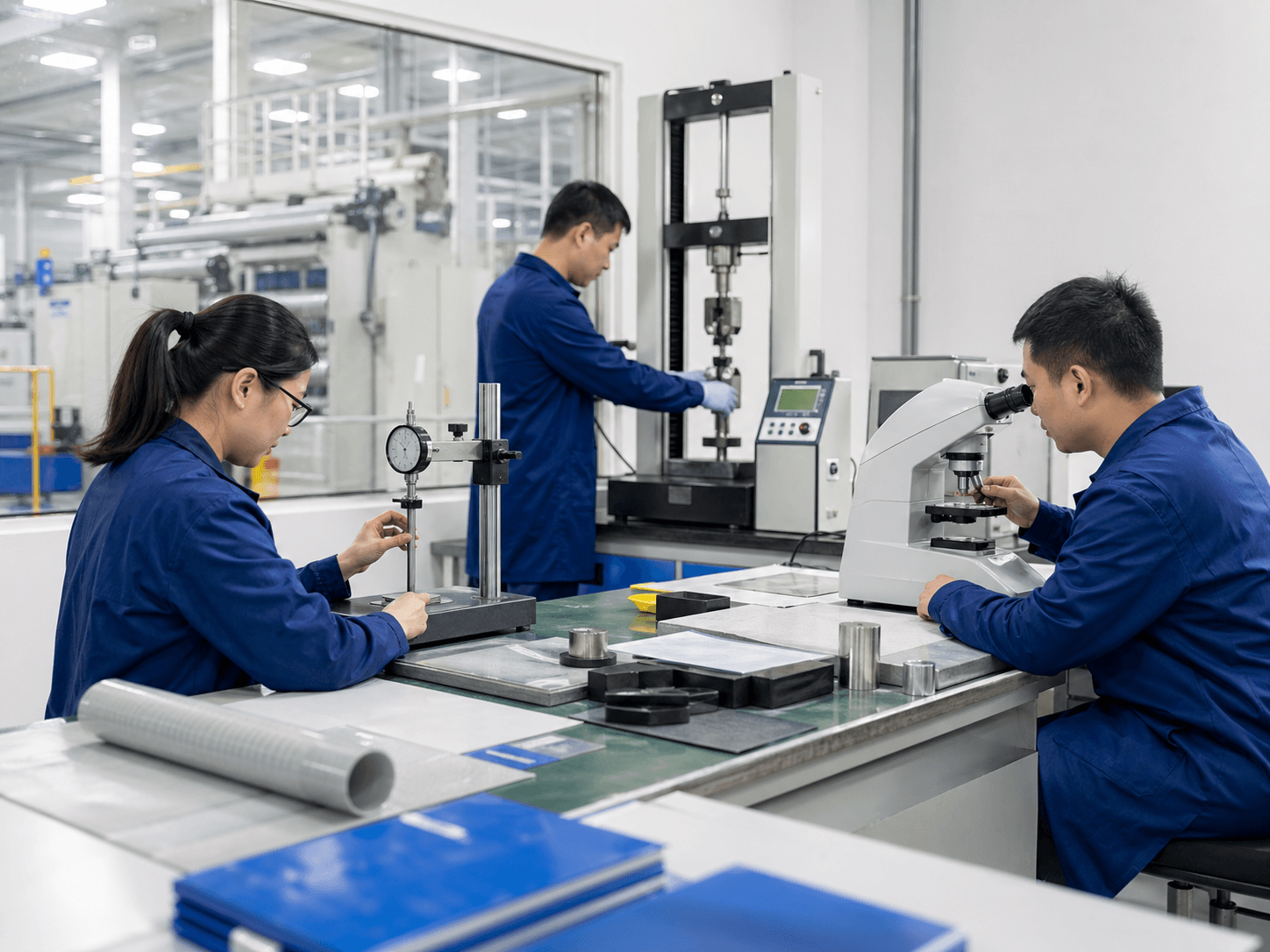
Machine Maintenance Checklist
Tick items as you complete them. Download the PDF below to print it for each machine.
A one-page PDF to pin by each machine and tick off on schedule.
Skipped Maintenance Comes Back as Scrap
A machine that drifts out of spec does not stop — it keeps running and quietly turns out defective elements.
Unplanned Downtime
A worn part that fails mid-shift halts the whole line until it is fixed.
Quality Drift
Drifting tension or blunt blades raise scrap before anyone notices.
Shorter Machine Life
Neglected machines wear faster and need replacing sooner.
Need parts or service for your machines?
Tell us your equipment — our engineers can advise on maintenance, spare parts and service, free of charge.
Machine Maintenance FAQ
How often should RO membrane production machines be maintained?
Run a daily quick check every shift, weekly upkeep such as lubrication and calibration, and a fuller monthly service. Follow the intervals in each machine’s manual, and book professional service as recommended.
What daily checks matter most on a rolling machine?
Confirm the winding tension setting, check the mandrels, clear offcuts, and make sure the gluing station and static mixer are not blocked. These daily checks prevent most rolling defects.
Why keep a maintenance log?
A log shows recurring problems and wear patterns early, so you can replace a part before it fails. It also keeps maintenance consistent across operators and shifts.
Can poor maintenance affect element quality?
Yes. Drifting tension, blunt blades or a leaking test seal all push up scrap and can let defects through. Regular maintenance keeps machines on spec and quality steady.