

Semi-Automatic vs Fully Automatic RO Membrane Lines
Deciding between a semi-automatic vs fully automatic RO membrane line comes down to volume, budget, labour and consistency. This guide compares both so you can match the line to your production stage.
Key Takeaways
- Semi-automatic wins on cost, flexibility and mixed/low volume.
- Fully automatic wins on output, consistency and labour savings.
- The deciding factor is usually stable volume, not just budget.
- Many producers start semi-automatic and upgrade as demand grows.
The Real Decision: Automation vs Flexibility
Both line types make the same spiral-wound elements; the difference is how much of the winding, gluing and handling is automated. A semi-automatic line keeps operators in the loop for loading and gluing, while a fully automatic line runs those steps with minimal intervention.
That changes everything downstream — cost, output, labour and consistency. Start from the element sizes and volume you need (estimate it with the production capacity calculator), then read the comparison below. For the rolling machine itself, see how to choose a rolling machine.
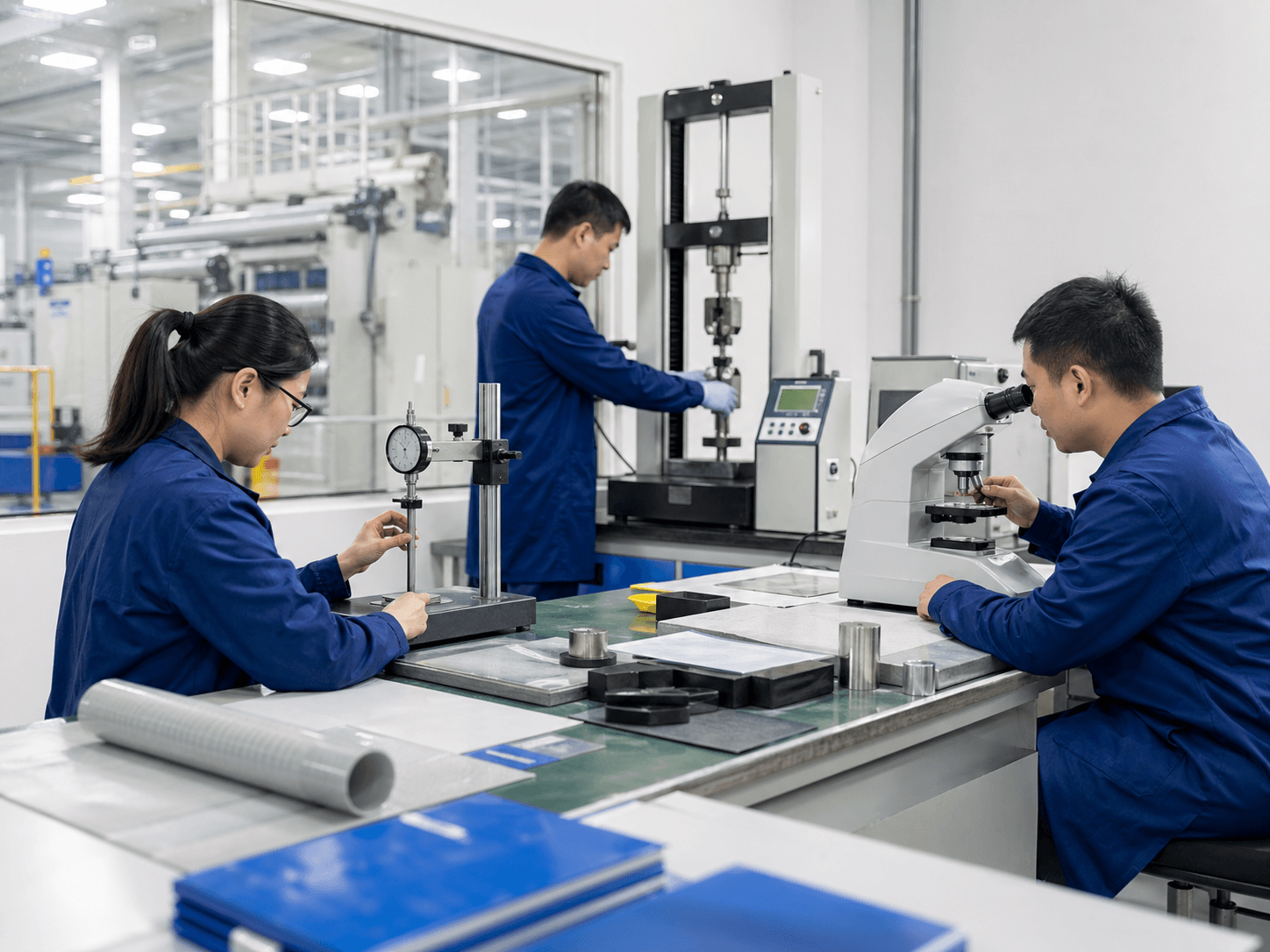
Semi-Automatic vs Fully Automatic: Full Comparison
| Factor | Semi-Automatic | Fully Automatic |
|---|---|---|
| Upfront cost | Lower | Higher |
| Output per shift | Moderate | High |
| Labour required | More operators | Fewer operators |
| Rolling consistency | Operator-dependent | Highly consistent |
| Element size flexibility | High — easy changeover | Best for stable size mix |
| Maintenance | Simpler | More complex |
| Scrap rate | Varies with operator skill | Lower, more repeatable |
| Best for | Start-ups, mixed / low volume | Scaling, high-volume lines |
When to Choose Each Line
Choose Semi-Automatic if…
- You are starting out or piloting production
- You run mixed element sizes with frequent changeover
- Volume is low or variable
- Upfront budget is the main constraint
- Labour is available and flexible
Choose Fully Automatic if…
- Demand is stable and high
- You produce a consistent size mix
- Consistency and low scrap are priorities
- Labour cost or availability is a constraint
- You want the lowest cost per element at volume
Six Factors That Settle the Choice
Production Volume
The single biggest factor. Stable, high volume favours automation; variable or low volume favours semi-automatic.
Budget & ROI
Automation costs more upfront but lowers cost per element at scale. Weigh payback against your volume.
Labour
Where labour is costly or scarce, automation pays off faster by reducing operators per shift.
Element Mix
Frequent size changes suit semi-automatic flexibility; a steady mix suits a fully automatic setup.
Consistency Needs
Tight quality targets and low scrap favour the repeatability of automation.
Choosing the Wrong Automation Level Is Expensive
This is a capital decision that locks in your cost structure for years. Both directions have a failure mode.
Over-Automating Early
Buying a full line before volume is stable ties up capital and runs under capacity.
Under-Automating Late
Staying semi-automatic at high volume caps output and inflates labour cost.
No Upgrade Path
Equipment that can’t scale forces a full replacement instead of a step up.
Not sure which line fits your stage?
Share your element sizes, target output and growth plans — we’ll recommend a semi-automatic or fully automatic setup with a clear upgrade path.
Semi vs Fully Automatic FAQ
What is the difference between a semi-automatic and fully automatic RO membrane line?
A semi-automatic line automates the core winding but keeps operators involved in loading and gluing, while a fully automatic line runs these steps with minimal intervention. Fully automatic lines give higher, more consistent output with less labour, at a higher upfront cost.
Which is better for a start-up RO element producer?
Most start-ups choose a semi-automatic line because of its lower cost, simpler maintenance and flexibility with mixed element sizes. Fully automatic lines become worthwhile once volume is stable and high enough to justify the investment.
Can I upgrade from semi-automatic to fully automatic later?
Often yes, depending on the equipment. Ask suppliers about a clear upgrade path before buying, so you can scale up without replacing the whole line when demand grows.
Does a fully automatic line produce better elements?
It produces more consistent elements with lower scrap thanks to repeatable tension and handling. A skilled operator on a semi-automatic line can match quality, but consistency depends more on the operator.